$13.1
$20.83
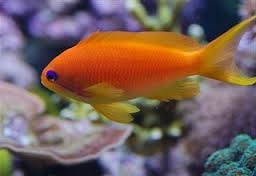
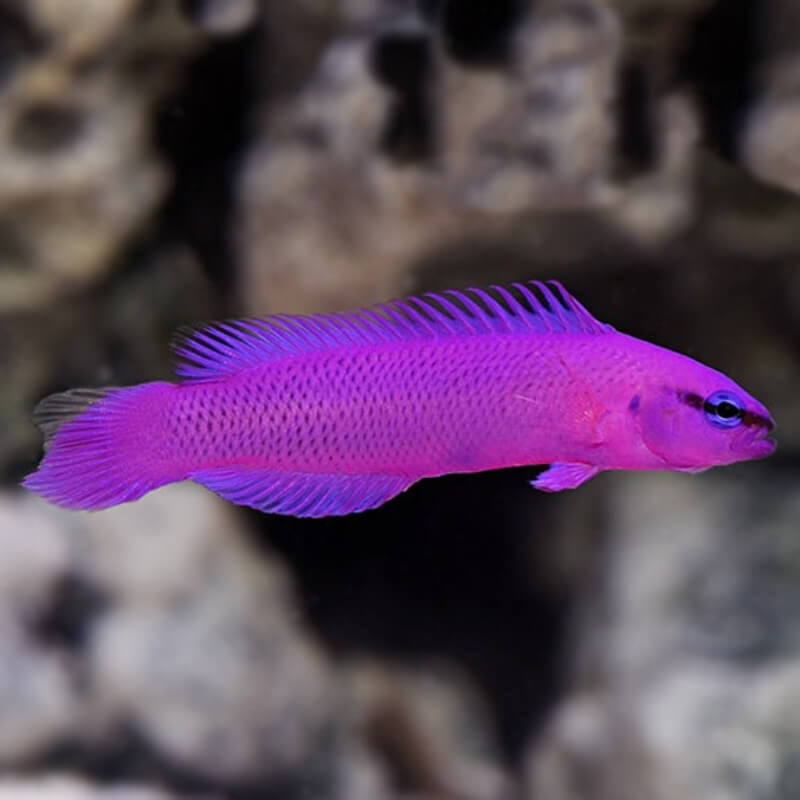
Orchid Dottyback (Captive Bred) Also known as the Fridman’s Dottyback or Orchid Pseudochromis The Orchid Dottyback is a stunning captive-bred marine fish featuring vibrant magenta-purple coloration that rivals the most colorful reef fish available. Native to the Red Sea, this species has been successfully bred in captivity for decades, making captive-bred specimens hardy, disease-resistant, and readily available. While they possess typical dottyback temperament—bold and territorial—Orchid Dottybacks are generally considered among the most peaceful dottyback species, making them excellent choices for community reef aquariums. Their electric purple coloration, manageable size, and exceptional hardiness make them popular centerpiece fish for both beginners and experienced aquarists. Key Features Scientific Name: Pseudochromis fridmani Common Names: Orchid Dottyback, Fridman’s Dottyback, Orchid Pseudochromis Adult Size: 2.5–3 inches (6–8 cm) Lifespan: 5–8 years with proper care Temperament: Semi-aggressive; territorial but among the most peaceful dottybacks Reef Compatibility: Completely reef-safe – will not harm corals or invertebrates Minimum Tank Size: 30 gallons (larger tanks further reduce aggression) Experience Level: Beginner – extremely hardy and relatively peaceful Habitat & Tank Requirements Tank Environment: Live rock with caves and crevices for territory and security Moderate water flow with calm refuges Standard reef or FOWLR aquarium lighting Established aquarium preferred (2 months) Multiple hiding spots reduce stress and territorial behavior Water Parameters: Temperature: 72–78°F (22–26°C) Salinity: 1.023–1.025 specific gravity pH: 8.1–8.4 Ammonia/Nitrite: 0 ppm Nitrate: <20 ppm Diet & Feeding Recommended Foods: Frozen mysis shrimp, brine shrimp, cyclops (primary diet) High-quality carnivore pellets and flakes Finely chopped krill, seafood Enriched preparations with vitamins Feeding Schedule: Feed 1–2 times daily Small portions consumed in 2–3 minutes Enthusiastic feeders with excellent appetites Captive-bred specimens accept all foods immediately upon introduction Behavior & Compatibility Temperament: Bold and confident but relatively peaceful for a dottyback Territorial around chosen cave or hiding spot Significantly less aggressive than most other dottyback species May show minor aggression toward very small, timid fish Generally peaceful with appropriately sized tankmates Becomes bolder and more visible once established Tank Mates: Compatible with: Clownfish, tangs, wrasses, angelfish, anthias, chromis, gobies, dartfish, firefish, blennies, cardinalfish, Royal Grammas, other basslets Caution with: Other dottybacks (even Orchids may squabble), very small timid fish in smaller tanks Avoid: Other Orchid Dottybacks in tanks under 75 gallons, aggressive dottyback species Social Behavior: Best kept singly in tanks under 75 gallons Pairs or small groups possible in 100 gallon systems with multiple territories Territorial disputes with conspecifics usually limited to chasing Peaceful toward most other fish species One of the few dottybacks suitable for peaceful community tanks Reef Compatibility: Completely reef-safe with all corals (SPS, LPS, soft corals) May eat very small ornamental shrimp (tiny sexy shrimp) Safe with larger ornamental shrimp (Cleaner, Peppermint, Fire Shrimp) Will not disturb snails, hermit crabs, or other cleanup crew Excellent choice for mixed reef aquariums Acclimation & Health Initial Acclimation: Drip acclimation over 45–60 minutes Float bag for temperature equalization (15–20 minutes) Dim lights during introduction for 24 hours May hide initially but becomes bold within 1–2 days Among easiest dottybacks to acclimate Health Considerations: Extremely hardy and highly disease-resistant One of the hardiest marine fish species available Captive-bred specimens particularly robust Resistant to marine ich, velvet, and most common diseases Quarantine 2–3 weeks recommended but less critical than sensitive species Virtually bulletproof once established Signs of a Healthy Specimen: Vibrant, electric magenta-purple coloration throughout body Active, confident swimming behavior Immediate, enthusiastic feeding response Clear, bright eyes with alertness Smooth, intact fins with no damage Bold personality, not excessively shy Color & Development Coloration Characteristics: Body: Brilliant electric magenta to deep purple throughout Uniformity: Solid coloration with no patterns, spots, or bars Intensity: One of the most intensely purple fish in the marine hobby Fins: Matching magenta-purple coloration Eyes: Dark with prominent pupil Iridescence: Slight blue-purple iridescent sheen under proper lighting Color Intensity: High-quality diet maintains brilliant purple coloration Color-enhancing foods with astaxanthin boost intensity Proper lighting (blue/violet spectrum) enhances natural brilliance Stress may cause temporary slight fading Captive-bred specimens often more vibrant than wild-caught Size & Growth: Juveniles typically available at 1–1.5 inches Reach adult size (2.5–3 inches) within 8–12 months Males and females similar in size Compact, streamlined body shape Growth rate moderate and predictable Special Features Captive-Bred Advantages: Superior hardiness: Already adapted to aquarium life and conditions Disease resistance: Rarely succumb to common marine diseases Food acceptance: Immediately accept all prepared and frozen foods Consistent coloration: More vibrant and uniform than wild specimens Stress tolerance: Handle shipping and acclimation better than wild fish Environmental benefit: Zero impact on wild Red Sea reef populations Longevity: Better survival rates and longer lifespans in captivity Peaceful Dottyback Option: Among dottyback species, the Orchid Dottyback is notably peaceful and well-suited for community reef aquariums. While still territorial around their chosen cave, they rarely harass tankmates and can coexist peacefully with even small, timid species like firefish and dartfish—something most other dottybacks cannot do. Special Considerations Aggression Management: Add Orchid Dottyback mid-way through stocking (not necessarily last) Provide at least one cave or hiding spot per fish Larger tanks (50 gallons) virtually eliminate aggression issues Generally peaceful enough for community reef tanks Monitor initial introduction but serious aggression rare Multiple Specimens: Can keep pairs or small groups in 75 gallon tanks Provide multiple separated territories (caves 12 inches apart) Introduce simultaneously if possible to reduce established territory advantage Minor chasing normal; serious fighting rare Groups work best with uneven numbers (1, 3, or 5) Breeding Potential: Established pairs may spawn in home aquariums Males prepare nesting site within cave Eggs laid on cave ceiling and guarded by male Spawning behavior fascinating to observe Raising larvae challenging but achievable for dedicated breeders Tank Introduction Strategy: Can be added at various stages of tank stocking Does not require being added last like aggressive dottybacks Peaceful enough to add before or after other community fish Monitor for first 24–48 hours but problems rare Why Choose Captive-Bred Orchid Dottybacks? Captive-bred Orchid Dottybacks represent one of the best choices for aquarists seeking vibrant color, exceptional hardiness, and manageable temperament. Their electric magenta-purple coloration rivals any marine fish, while their captive-bred lineage ensures superior health, immediate food acceptance, and stress-free acclimation. Unlike most dottyback species, Orchids are peaceful enough for community reef tanks with small, timid fish like firefish and dartfish. Their extreme hardiness makes them ideal for beginners, while their stunning coloration appeals to experienced aquarists. They thrive in nano reefs and large systems alike, require minimal specialized care, and consistently rank among the most reliable, beautiful, and rewarding marine fish available. The combination of breathtaking color, bulletproof hardiness, reasonable temperament, and captive-bred sustainability makes Orchid Dottybacks outstanding additions to virtually any reef or FOWLR aquarium with appropriate tankmates and setup.
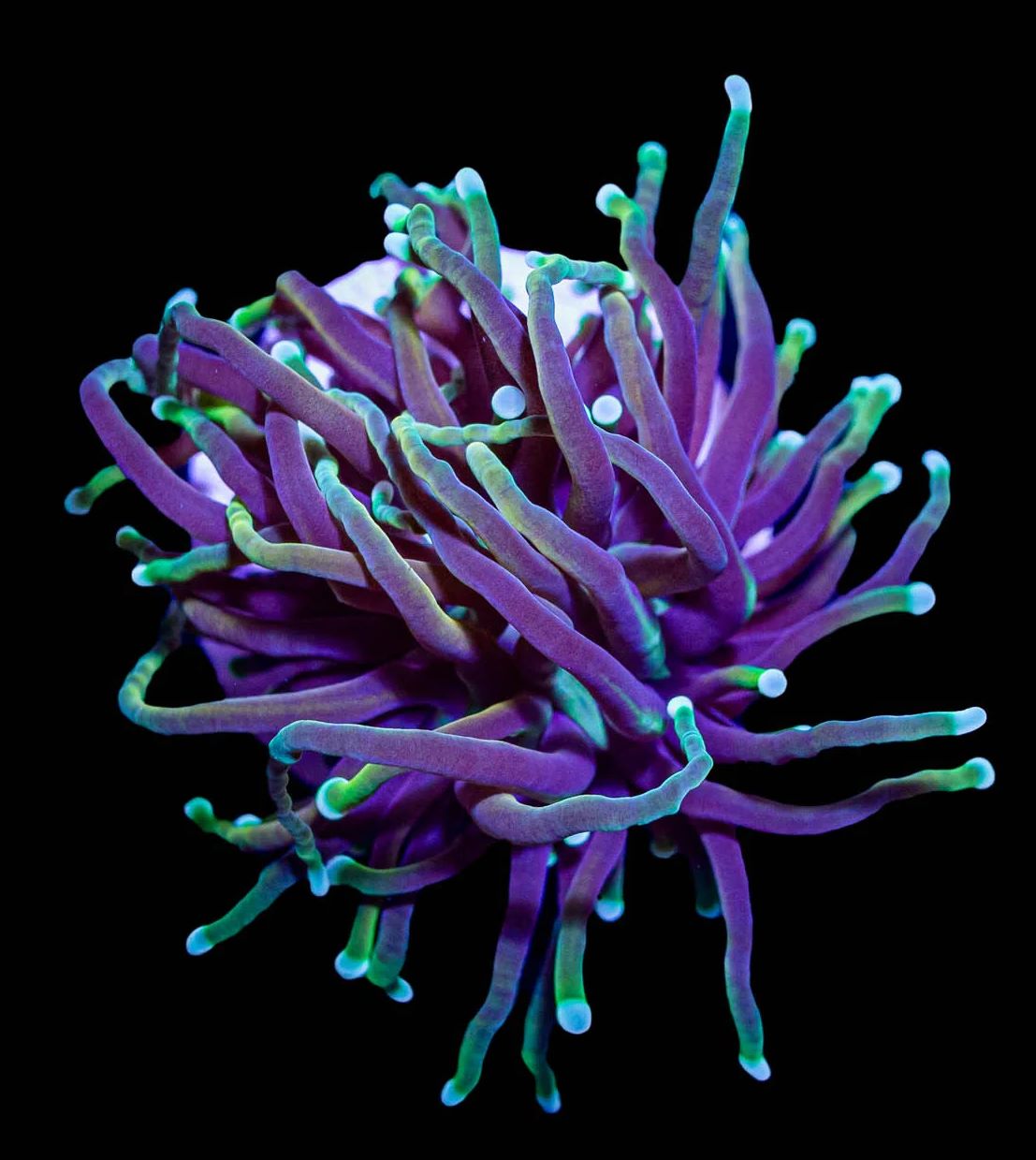
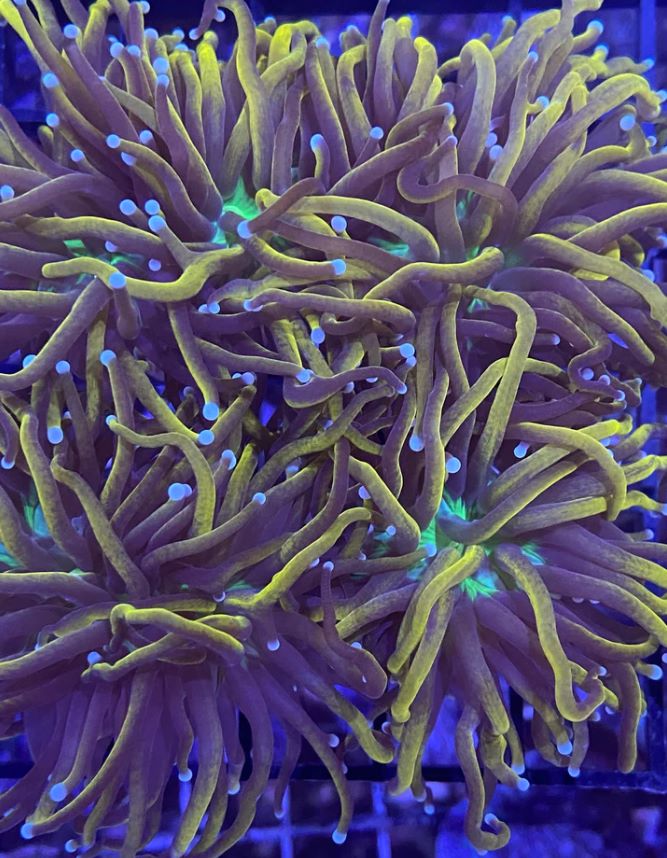
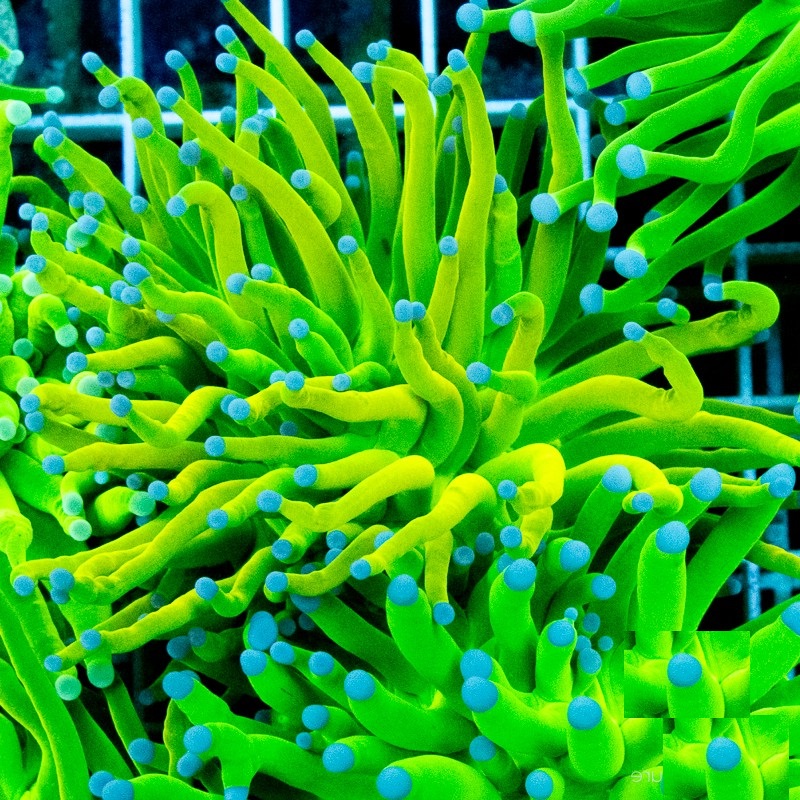
Torch Corals