$22.22
$41.77
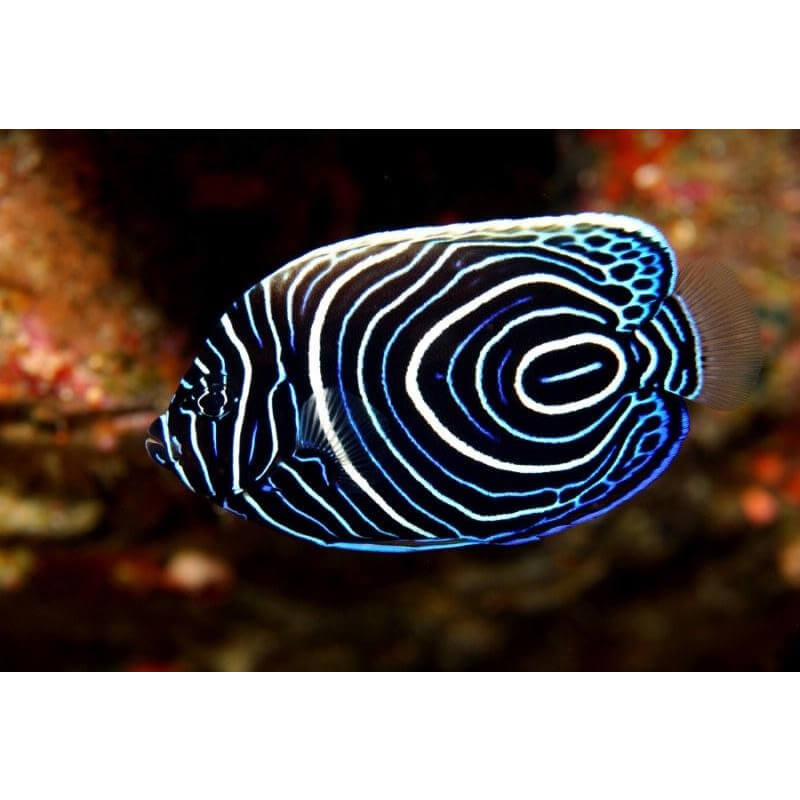
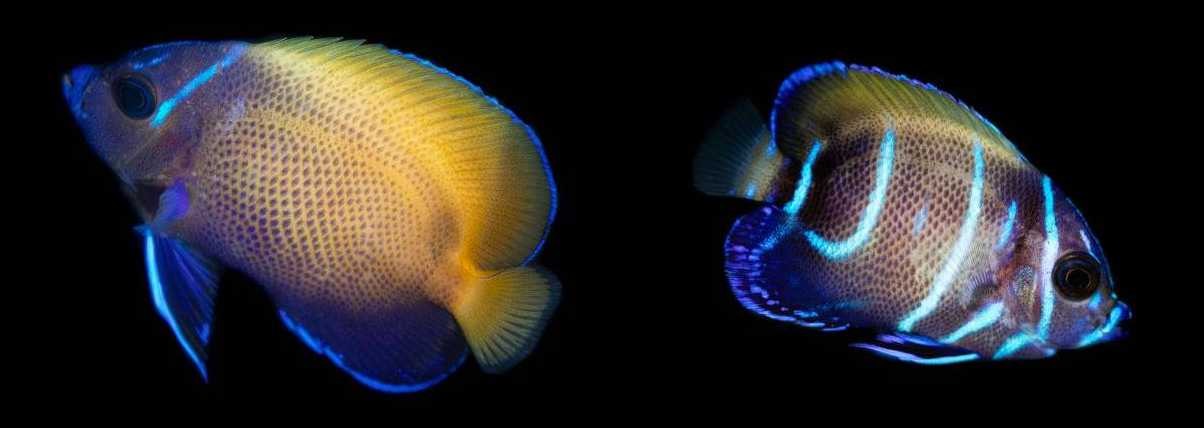
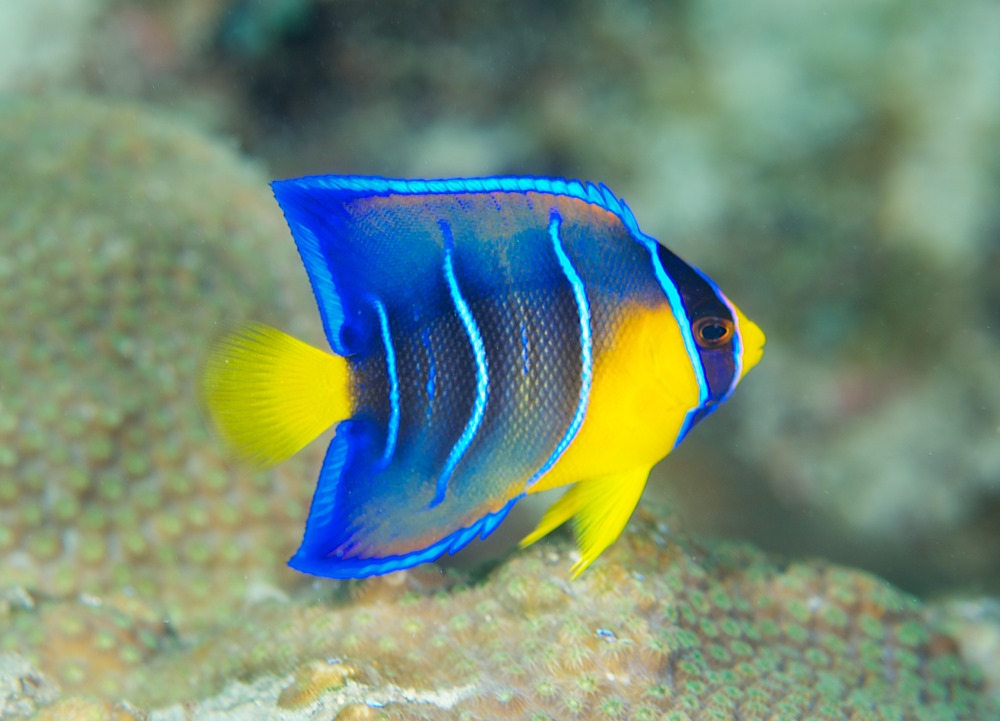
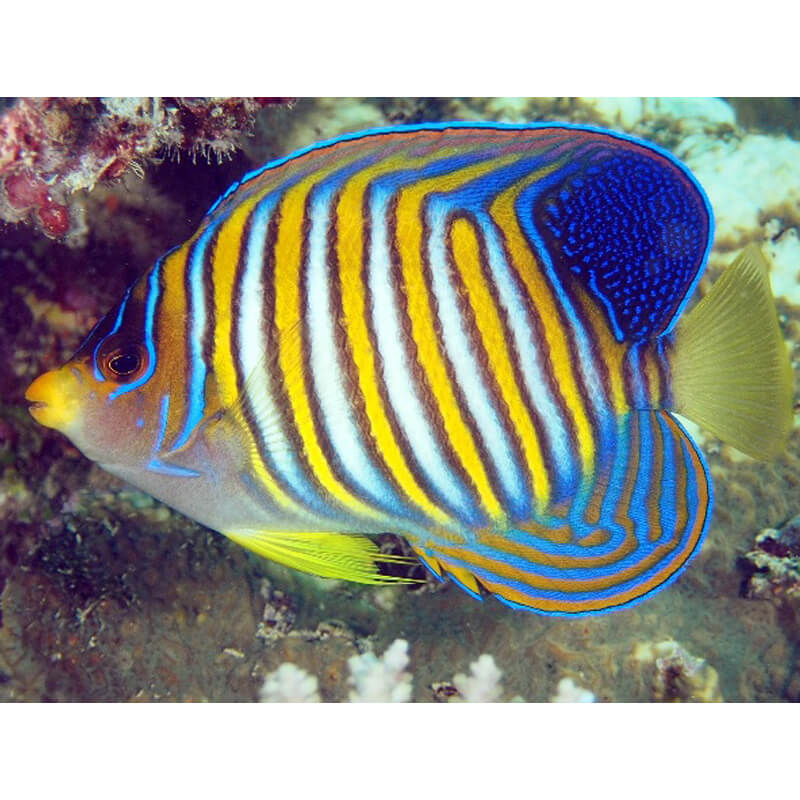
Annularis Angelfish (Adult) Also known as the Blue Ring Angelfish The Annularis Angelfish is a stunning large angelfish native to the Indo-Pacific region, ranging from East Africa to Samoa. Adults display dramatic coloration with electric blue curved lines on a tan to brown body, culminating in a distinctive white tail with yellow margins. As they mature, the characteristic blue “annulus” (ring) pattern behind the gill plate becomes more pronounced, giving this species its common name. Key Features Scientific Name: Pomacanthus annularis Common Names: Annularis Angelfish, Blue Ring Angelfish, Blue King Angelfish Adult Size: 10–12 inches (25–30 cm) Lifespan: 15–20 years with proper care Temperament: Semi-aggressive; territorial once established Reef Compatibility: Not reef-safe – will nip at stony and soft corals, clams, and zoanthids Minimum Tank Size: 220 gallons (for adults) Experience Level: Advanced – requires stable water conditions and careful acclimation Habitat & Tank Requirements Natural Habitat: Found on coral-rich areas and rocky reefs at depths of 10–100 feet, typically as solitary individuals or in pairs. Tank Environment: Provide extensive live rock with caves, overhangs, and swimming space Create multiple hiding spots to reduce stress during acclimation Strong water flow with some calmer areas Stable, mature aquarium (6 months established recommended) Water Parameters: Temperature: 74–80°F (23–27°C) Salinity: 1.023–1.025 specific gravity pH: 8.1–8.4 Ammonia/Nitrite: 0 ppm Nitrate: <20 ppm (lower is better) Alkalinity: 8–12 dKH Essential Equipment: High-quality protein skimmer UV sterilizer (helps prevent parasitic infections) Robust filtration system Regular water changes (15–20% biweekly minimum) Diet & Feeding Annularis Angelfish are omnivores requiring a varied diet rich in both meaty foods and marine algae. Recommended Foods: Pellets/Flakes: High-quality marine angelfish pellets, spirulina-enriched formulas Frozen Foods: Mysis shrimp, brine shrimp, krill, chopped clams, squid, marine fish flesh Plant Matter: Nori seaweed sheets, spirulina, marine algae (essential for immune health and color) Prepared Mixes: Angelfish-specific frozen blends containing sponge material Enrichment: Vitamin-soaked foods, garlic-enriched preparations for immune support Feeding Schedule: Feed 2–3 times daily Offer variety to prevent nutritional deficiencies Include sponge-based foods when available (mimics natural diet) Note: In the wild, large angelfish graze throughout the day on sponges, tunicates, and algae. Replicating this diversity is crucial for long-term health. Behavior & Compatibility Temperament: Shy initially but becomes bold and territorial once acclimated Generally peaceful toward non-angelfish tankmates May become aggressive toward other angelfish, especially in smaller systems Tank Mates: Compatible with: Large tangs, wrasses, peaceful groupers, snappers, large butterflyfish Caution with: Smaller, timid fish may be intimidated Avoid: Other Pomacanthus species, dwarf angelfish in tanks under 300 gallons, aggressive triggers or dottybacks Reef Compatibility: Not reef-safe: Will pick at most corals, especially LPS and soft corals May consume zoanthids, mushroom corals, and clam mantles Can work in FOWLR (Fish Only With Live Rock) systems Acclimation & Care Tips Initial Acclimation: Use drip acclimation method over 1–2 hours minimum Dim tank lights for first 48 hours Add to display tank last (after most other fish established) Minimize disturbance during first week Health Considerations: Highly susceptible to ich (Cryptocaryon) and marine velvet (Amyloodinium) Quarantine for 4–6 weeks before adding to display tank Watch for lateral line erosion (sign of poor water quality or nutritional deficiency) UV sterilization and pristine water quality are preventative measures Signs of a Healthy Specimen: Active swimming throughout the tank Clear, bright eyes Smooth, vibrant coloration Eager feeding response No visible spots, lesions, or frayed fins Color & Development Juvenile Coloration: Juveniles display curved vertical white and blue stripes on a dark blue body, dramatically different from adults. They may act as “cleaner fish” on reefs. Adult Transformation: The transition begins around 4–5 inches. Adult coloration features: Tan to brownish-orange body Electric blue curved lines across the body Prominent blue ring (annulus) behind gill plate White tail with yellow-orange margins Blue facial markings This transformation can take 1–2 years depending on conditions. Special Considerations Quarantine is Essential: Due to their sensitivity to parasites and stress from shipping, purchasing a quarantined specimen significantly improves survival rates. Quarantined fish have been: Observed for 4–6 weeks minimum Treated prophylactically for common parasites Acclimated to prepared foods Monitored for behavioral and health issues Long-Term Commitment: With proper care, these fish can live 15–20 years, requiring stable conditions and consistent maintenance throughout their lives. Why Choose a Quarantined Annularis Angelfish? When you purchase a properly quarantined Annularis Angelfish, you’re investing in a healthier, better-adjusted specimen. Our quarantine protocol includes observation, preventative treatment, dietary conditioning, and stress reduction, giving you the best possible start for long-term success with this magnificent species.
Large Marine