$18.88
$24.54
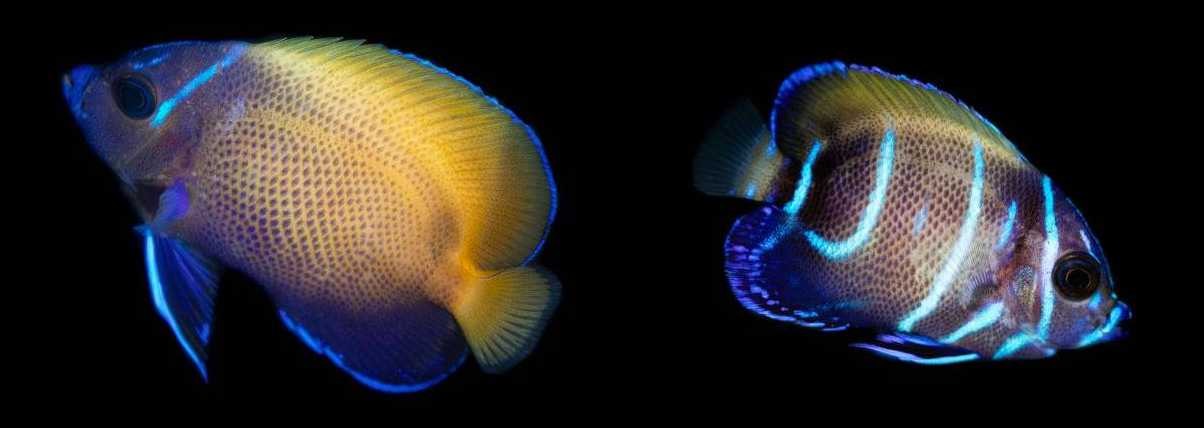
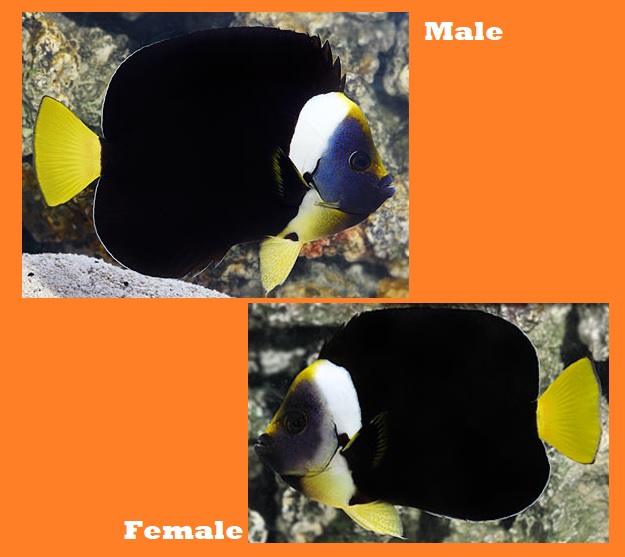
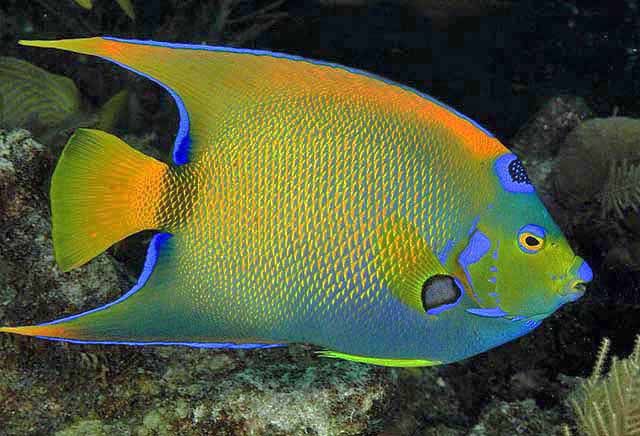
Bellus Angelfish (Female) Also known as the Ornate Angelfish The Bellus Angelfish is an elegant and peaceful deepwater species native to the Western Pacific Ocean. Females display subtle beauty with a cream to pale yellow body adorned with delicate blue-edged black stripes. This moderately hardy angelfish is prized for its graceful swimming behavior and compatibility with reef aquariums, making it one of the more reef-safe angelfish options available to hobbyists. Key Features Scientific Name: Genicanthus bellus Common Names: Bellus Angelfish, Ornate Angelfish Adult Size: 5–7 inches (13–18 cm) for females Lifespan: 10–15 years with proper care Temperament: Peaceful; one of the most docile large angelfish Reef Compatibility: Reef-safe – does not typically bother corals or invertebrates Minimum Tank Size: 125 gallons (180 gallons for groups) Experience Level: Intermediate – requires stable conditions and gradual acclimation Habitat & Tank Requirements Natural Habitat: Found on outer reef slopes and drop-offs at depths of 50–180 feet, typically in harems consisting of one male and multiple females. They inhabit areas with strong currents where they feed on zooplankton. Tank Environment: Open swimming space in the mid to upper water column Moderate live rock structure with some caves for security Strong, indirect water flow to simulate natural current-rich environment Peaceful tank community Stable, mature aquarium (4–6 months established recommended) Subdued lighting preferred (deepwater species) Water Parameters: Temperature: 72–78°F (22–26°C) Salinity: 1.023–1.025 specific gravity pH: 8.1–8.4 Ammonia/Nitrite: 0 ppm Nitrate: <20 ppm Alkalinity: 8–12 dKH Dissolved Oxygen: High levels important for deepwater species Essential Equipment: Quality protein skimmer Efficient biological and mechanical filtration Powerheads for water movement Regular water changes (15–20% biweekly minimum) UV sterilizer (optional but beneficial) Diet & Feeding Bellus Angelfish are planktivores in the wild, feeding primarily on zooplankton in the water column. They require a protein-rich diet with frequent feedings. Recommended Foods: Frozen Foods: Mysis shrimp, enriched brine shrimp, cyclops, copepods, krill (chopped fine), fish roe Pellets/Flakes: High-quality marine pellets, spirulina-enriched formulas (smaller particle sizes) Prepared Mixes: Angelfish formula blends, plankton-based preparations Live Foods (occasionally): Brine shrimp, copepods (especially helpful during acclimation) Plant Matter: Small amounts of nori, spirulina (less critical than for other angelfish) Supplements: Vitamin-enriched foods, omega-3 fatty acids Feeding Schedule: Feed 3–4 times daily in smaller portions (mimics natural grazing behavior) Offer variety to ensure complete nutrition Target feed if kept with aggressive eaters May benefit from automatic feeder for consistent small meals Note: As planktivores, Bellus Angels prefer food suspended in the water column rather than food that sinks. Multiple small feedings throughout the day are ideal. Behavior & Compatibility Temperament: Very peaceful and non-aggressive toward other species Will not typically harass tankmates Females can be kept together in groups (3 recommended) Males may be kept with multiple females in larger tanks (180 gallons) Timid during initial acclimation but becomes confident over time Social Structure: In the wild, lives in harems with one dominant male and several females Females can coexist peacefully in appropriate-sized aquariums If multiple females are kept, one may transform into a male (protogynous hermaphrodite) Males can be territorial toward other males Tank Mates: Compatible with: Peaceful tangs, wrasses, dartfish, anthias, fairy wrasses, butterflyfish, peaceful gobies, blennies, cardinalfish Caution with: Fast, aggressive feeders may outcompete for food Avoid: Large aggressive angelfish, triggers, large dottybacks, groupers, aggressive hawkfish Reef Compatibility: Reef-safe: Generally does not nip at corals Safe with SPS, LPS, and soft corals Will not bother clams or other sessile invertebrates May occasionally pick at zoanthids or palythoas (rare) Excellent choice for reef aquariums needing a larger angelfish Acclimation & Care Tips Initial Acclimation: Extended drip acclimation over 2–3 hours (deepwater species require careful acclimation) Dim tank lights for first 48–72 hours Minimize disturbances and sudden movements near tank Provide hiding spots for initial security May take several days to begin feeding; patience is essential Health Considerations: Moderately sensitive to poor water quality Can be susceptible to marine ich (Cryptocaryon) and velvet (Amyloodinium) Prone to stress during shipping and acclimation (deepwater capture) Quarantine for 4–6 weeks before adding to display tank Watch for weight loss if not feeding adequately May develop lateral line erosion in suboptimal conditions Signs of a Healthy Specimen: Active, graceful swimming in mid-water Bright, alert eyes Full body condition (not thin or emaciated) Smooth, even coloration Regular feeding response No rapid breathing or flashing behavior No visible spots, lesions, or fin damage Acclimation Challenges: May be shy and hide initially Can take 3–7 days to begin feeding Benefits from presence of other peaceful, active fish Live foods may help entice feeding during transition Color & Development Female Coloration: Females display elegant, understated beauty: Cream to pale yellow body 2–3 horizontal black stripes with electric blue edges running along the body Stripes may be broken or continuous depending on individual Clear to pale yellow fins Subtle blue accents on dorsal and anal fins Overall appearance is lighter and less dramatic than males Sex Change: Genicanthus species are protogynous hermaphrodites: All start as females Dominant female may transform into male if no male present Transformation can take 2–6 months Triggered by absence of dominant male or social cues Special Considerations Deepwater Origins: Bellus Angelfish are collected from deeper waters, which presents specific challenges: More sensitive to sudden pressure and temperature changes May require extended acclimation period Can be more delicate than shallow-water species initially Choose specimens that have been held by retailer/wholesaler for at least 2–3 weeks Group Dynamics: When keeping multiple females: Minimum 180-gallon tank recommended for 3 females Introduce all females simultaneously or within short timeframe Provide adequate swimming space Monitor for potential male transformation Ensure all individuals are feeding adequately Feeding Competition: Due to peaceful nature, ensure they receive adequate food: May be outcompeted by aggressive feeders Target feeding may be necessary Multiple feeding sessions help ensure all fish eat Watch body condition closely Collection Concerns: As deepwater species, collection can be stressful. Purchasing quarantined, feeding specimens significantly improves success rates. Pairing Considerations: One male can be kept with 2–4 females in tanks 180 gallons Males may show aggression toward other males Females are compatible with each other Harem groups create natural, interactive behavior Quarantine Protocol Why Quarantine is Critical: Bellus Angelfish are deepwater species that experience significant stress during collection and shipping. Their delicate nature makes quarantine essential for acclimation and parasite prevention. Our Quarantine Process: Observation Period: 4–6 weeks minimum Gradual Acclimation: Slow adjustment to aquarium conditions from deep water Parasite Prevention: Prophylactic treatment for common marine parasites Dietary Conditioning: Trained to accept frozen and prepared foods readily Stress Reduction: Quiet, stable environment for recovery Health Monitoring: Daily observation for feeding response and behavior Weight Maintenance: Ensuring healthy body condition before sale Why Choose a Quarantined Bellus Angelfish? Purchasing a properly quarantined female Bellus Angelfish provides significant advantages for this delicate deepwater species. Our quarantine protocol ensures your angelfish has fully acclimated from collection depths, is feeding consistently on prepared foods, and has been treated preventatively for parasites. This careful conditioning dramatically improves long-term survival and allows you to enjoy this graceful, reef-safe beauty with confidence in your established aquarium.
Large Marine