$13.08
$23.28
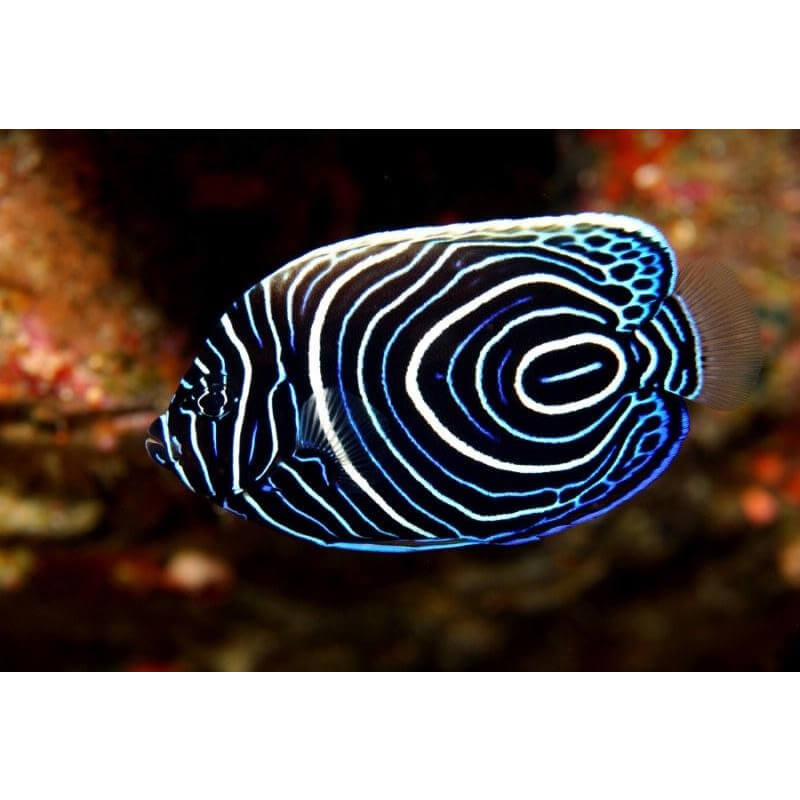
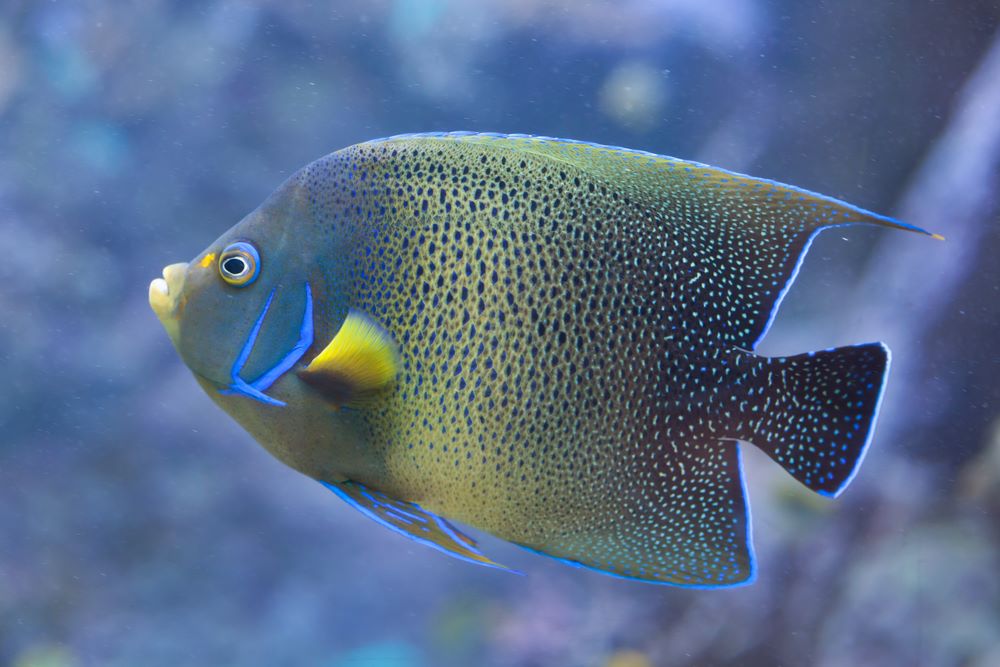
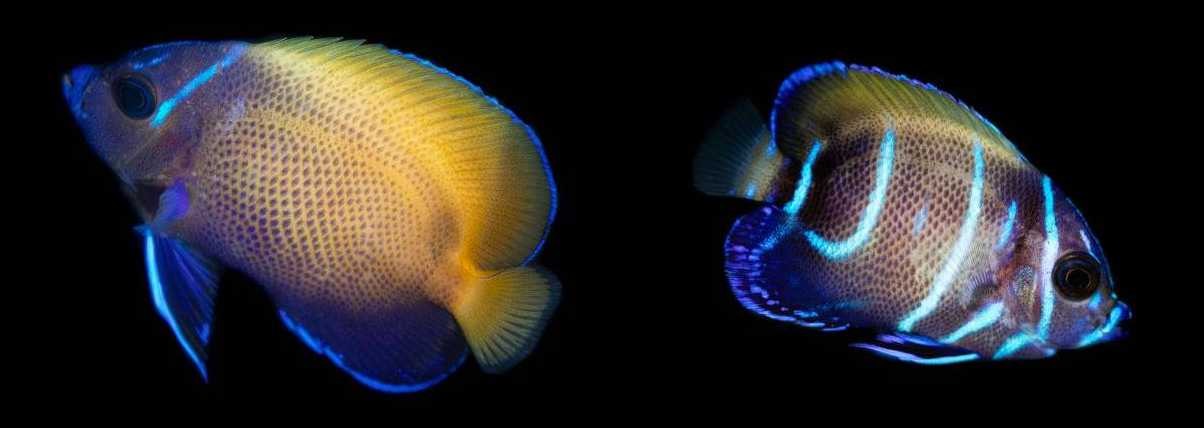
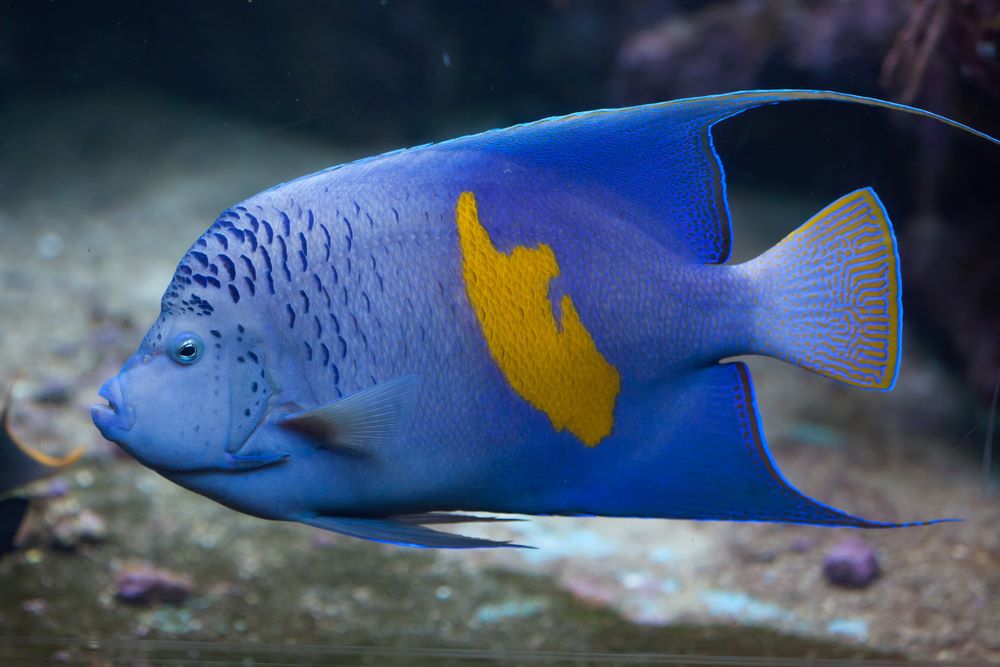
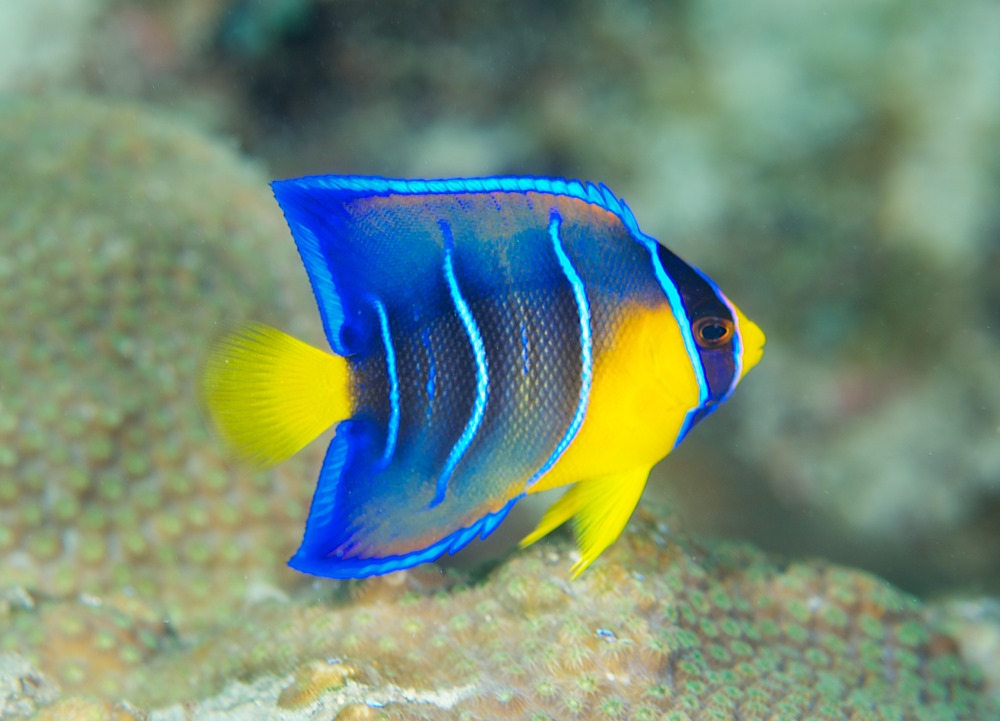
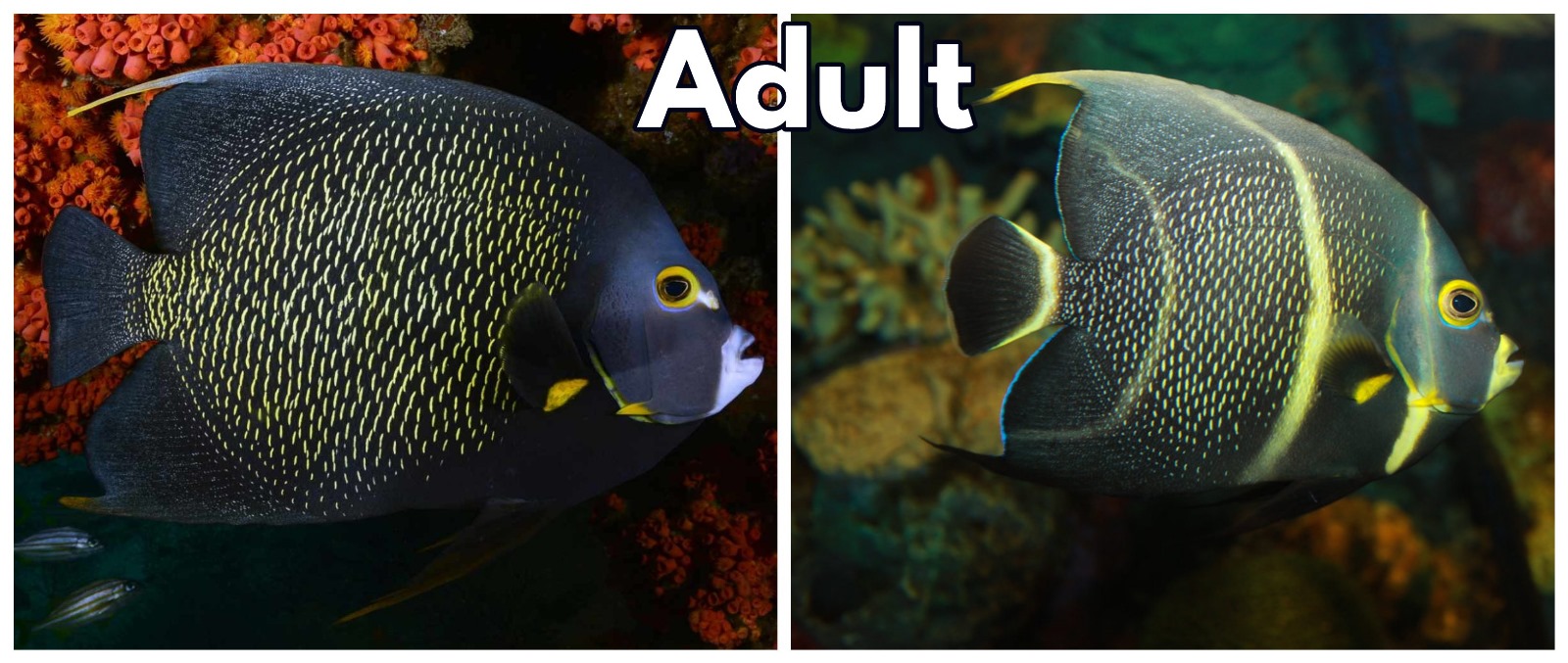
Blueface Angelfish (Adult) Also known as the Yellowface Angelfish The Blueface Angelfish is a magnificent and highly sought-after large angelfish native to the Indo-Pacific region. Adults display spectacular coloration with intricate blue and yellow facial markings, a vibrant yellow body adorned with blue scale edges, and a yellow tail with blue accents. This striking species is prized for its bold personality and dramatic appearance, making it a prestigious centerpiece fish for large marine aquariums. Key Features Scientific Name: Pomacanthus xanthometapon Common Names: Blueface Angelfish, Yellowface Angelfish, Yellowmask Angelfish Adult Size: 12–15 inches (30–38 cm) Lifespan: 15–20 years with proper care Temperament: Semi-aggressive; territorial once established Reef Compatibility: Not reef-safe – will consume corals and sessile invertebrates Minimum Tank Size: 220 gallons (300 gallons ideal for adult specimens) Experience Level: Advanced – requires large tank, stable conditions, and varied diet Habitat & Tank Requirements Natural Habitat: Found on coral-rich areas of lagoons and outer reef slopes at depths of 15–80 feet throughout the Indo-Pacific, from the Maldives to Vanuatu. Inhabits caves and ledges, typically as solitary individuals or in pairs. Juveniles are often found in more protected lagoon environments. Tank Environment: Extensive live rock structure with large caves, overhangs, and swim-throughs Ample open swimming space in the center of the aquarium Multiple territories and visual barriers for large tank communities Mature, well-established system (6 months minimum) Strong, varied water flow with some calmer areas Robust aquascaping that can withstand large fish activity Water Parameters: Temperature: 74–80°F (23–27°C) Salinity: 1.023–1.025 specific gravity pH: 8.1–8.4 Ammonia/Nitrite: 0 ppm Nitrate: <20 ppm (lower is better) Alkalinity: 8–12 dKH Phosphate: <0.03 ppm Essential Equipment: High-capacity protein skimmer rated for heavy bioload UV sterilizer (strongly recommended for parasite prevention) Robust biological and mechanical filtration Powerful water circulation system Consistent water change schedule (15–20% biweekly minimum for large specimens) Sump system recommended for equipment and water volume Diet & Feeding Blueface Angelfish are omnivores requiring a diverse diet rich in both meaty foods and marine algae. In the wild, they feed heavily on sponges, tunicates, and algae. Recommended Foods: Frozen Foods: Mysis shrimp, enriched brine shrimp, krill, chopped squid, clams, scallops, marine fish flesh, prawns Pellets/Flakes: High-quality large angelfish pellets, spirulina-enriched formulas, color-enhancing foods Plant Matter: Nori sheets, spirulina, marine macro algae (essential component – 30–40% of diet) Specialty Foods: Sponge-based frozen preparations, angelfish formula blends containing natural sponge material Fresh Foods: Occasional fresh seafood (marine sources only) Prepared Mixes: Angelfish-specific blends, marine cuisine, plankton preparations Supplements: Vitamin C-enriched foods, garlic supplements for immune support, astaxanthin for color Feeding Schedule: Feed 2–3 times daily in substantial portions (large fish with high metabolism) Provide variety to prevent nutritional deficiencies Clip nori sheets to tank glass for grazing throughout the day Include sponge-based foods regularly (mimics natural diet) Ensure all food types are adequately sized for large mouth Behavior & Compatibility Temperament: Semi-aggressive and territorial, especially toward other angelfish Bold and confident once acclimated Generally peaceful toward non-angelfish species May become more assertive as it grows larger Establishes and defends territory within aquarium Can be intimidating to smaller, timid fish due to size Tank Mates: Compatible with: Large tangs, triggerfish (non-aggressive species), large wrasses, groupers, snappers, lionfish, eels, pufferfish, large butterflyfish Caution with: Other large angelfish (only in tanks 400 gallons), smaller peaceful fish may be intimidated Avoid: Other Pomacanthus angelfish in tanks under 400 gallons, dwarf angelfish, very small fish, extremely aggressive triggers or large puffers Reef Compatibility: Not reef-safe: Will consume most corals with enthusiasm Eats SPS, LPS, and soft corals Consumes zoanthids, palythoas, and mushroom corals Will pick at and damage clam mantles May eat anemones and other sessile invertebrates Highly destructive to coral polyps and tissue Strictly for FOWLR (Fish Only With Live Rock) systems Acclimation & Care Tips Initial Acclimation: Extended drip acclimation over 2–3 hours minimum Dim tank lights for first 48 hours Minimize traffic and disturbances around aquarium for first week Provide large caves for initial security May take 1–3 days to begin feeding confidently Introduce to stable, mature aquarium only Health Considerations: Highly susceptible to marine ich (Cryptocaryon irritans) and velvet (Amyloodinium ocellatum) Prone to lateral line erosion (HLLE) if water quality deteriorates or diet is inadequate Sensitive to poor water quality and high nitrates Can be stressed by aggressive tankmates Quarantine for 6–8 weeks minimum before adding to display tank (essential) UV sterilization significantly reduces parasite risk Large specimens produce heavy bioload requiring excellent filtration Signs of a Healthy Specimen: Active, confident swimming throughout aquarium Bold, interactive behavior Vibrant yellow and blue coloration with clear facial patterns Clear, bright eyes Full-bodied appearance with good weight Eager, aggressive feeding response Smooth, intact fins No visible parasites, spots, lesions, or pitting on head/lateral line Even breathing without rapid gill movement Color & Development Juvenile Coloration: Juveniles display dramatically different appearance from adults: Dark blue to black body Vertical white and blue curved stripes (similar to other Pomacanthus juveniles) Resembles Semicircle, Koran, and Emperor Angel juveniles No yellow coloration present This pattern provides camouflage in nature Adult Coloration: Full adult coloration develops by 6–8 inches and features: Face: Intricate pattern with bright yellow mask bordered by blue lines creating a reticulated “maze” pattern (most distinctive feature) Body: Vibrant yellow background with each scale edged in blue, creating a stunning scalloped pattern Tail: Yellow with blue to purple accents and edges Dorsal/Anal Fins: Yellow with blue margins and intricate patterning Pectoral Fins: Yellow Overall appearance is bold, colorful, and unmistakable Color Variations: Facial pattern intensity varies between individuals Some specimens show more blue vs. yellow in face Body yellow can range from pale to deep golden Quality diet and water conditions affect color vibrancy Color Maintenance: Requires varied diet with carotenoids and spirulina Pristine water quality essential for vibrant colors Adequate lighting brings out yellow tones Stress causes color fading Special Considerations Size Planning: Blueface Angels grow large and require substantial space: Juveniles (3–4 inches) can start in 125 gallons temporarily Subadults (5–8 inches) need 180 gallons minimum Adults (10 inches) require 220–300 gallons Do not purchase for undersized tanks with plans to “upgrade later” Stunted growth and health issues result from inadequate space Growth Rate: Moderate to fast growth with proper feeding Can reach 8–10 inches within 2–3 years Full adult size achieved in 4–6 years Growth rate affected by tank size, diet, and water quality Personality Development: Often become quite interactive with owners May recognize feeding time and approach glass Can become hand-tame with patience Individual personalities vary significantly Some specimens are shy, others very bold Longevity Commitment: With lifespans exceeding 20 years, Blueface Angels represent a serious long-term commitment requiring: Consistent high-quality care Large aquarium maintenance Substantial feeding costs Stable home environment for decades Collection Considerations: Most specimens are wild-caught Quality varies by collection location and handling Indonesia and Philippines are primary sources Australian specimens command premium prices but are exceptionally hardy Always verify proper collection and export documentation Pairing: Pairs can be kept in very large aquariums (300 gallons) Introduce simultaneously for best results Provide multiple large territories Monitor closely for aggression during pairing period Not all specimens will pair successfully Breeding in Aquariums Spawning Behavior: Extremely rare in home aquariums Requires very large system and established pair Spawning occurs at dusk Eggs are pelagic (broadcast spawned) No parental care provided Larval rearing not practical for hobbyists (requires specialized facilities) Quarantine Protocol Why Quarantine is Critical: Blueface Angelfish are highly susceptible to parasitic infections and stress-related diseases. Their large size, high cost, and parasite sensitivity make quarantine absolutely essential for long-term success. Our Quarantine Process: Observation Period: 6–8 weeks minimum (longer for large, expensive specimens) Parasite Prevention: Comprehensive prophylactic treatment for marine ich, velvet, flukes, and internal parasites Dietary Conditioning: Training to accept varied prepared foods including essential sponge-based and plant matter Stress Reduction: Low-traffic, stable environment for recovery from collection and shipping HLLE Prevention: High-quality diet and pristine water to prevent lateral line disease Behavioral Assessment: Observation of temperament and feeding habits Health Monitoring: Daily observation of activity, feeding response, body condition, and any disease signs Acclimation Training: Gradual adjustment to standard aquarium parameters Weight Maintenance: Ensuring robust body condition with multiple daily feedings Why Choose a Quarantined Blueface Angelfish? Our extended quarantine process makes sure your fish is free of parasites, eating a variety of foods including sponge and herbivore diets, and has recovered from the stress of collection and shipping. During this time, we watch for signs of health issues like head and lateral line erosion. Starting with a healthy, well-conditioned fish greatly increases your chances of success, helping your fish live happily in your aquarium for 20 years.
Large Marine