$14.69
$19.83
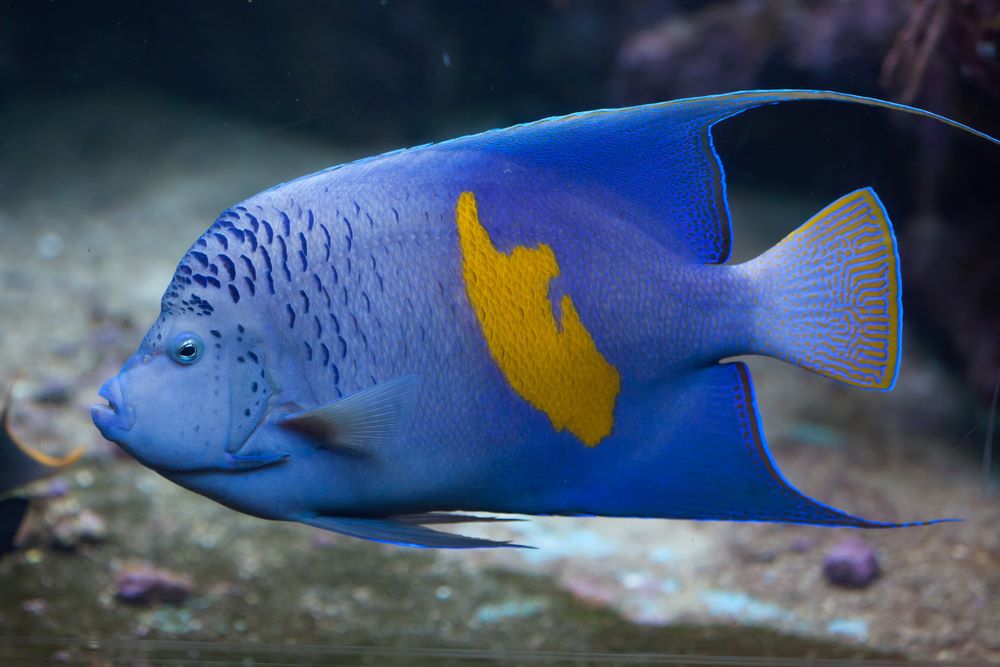
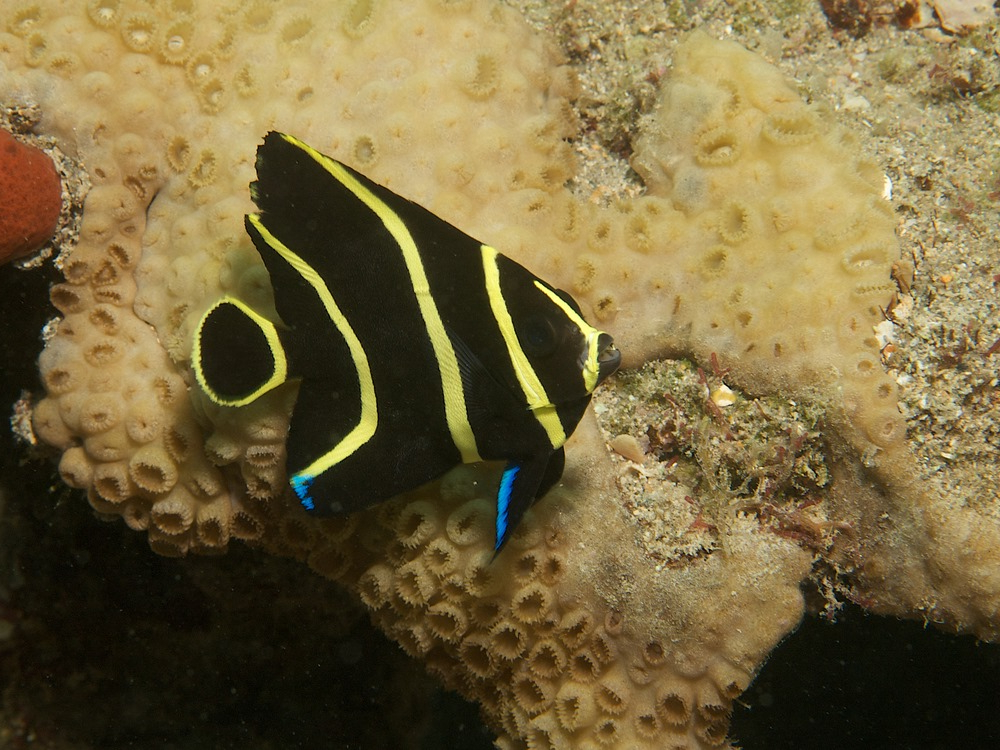
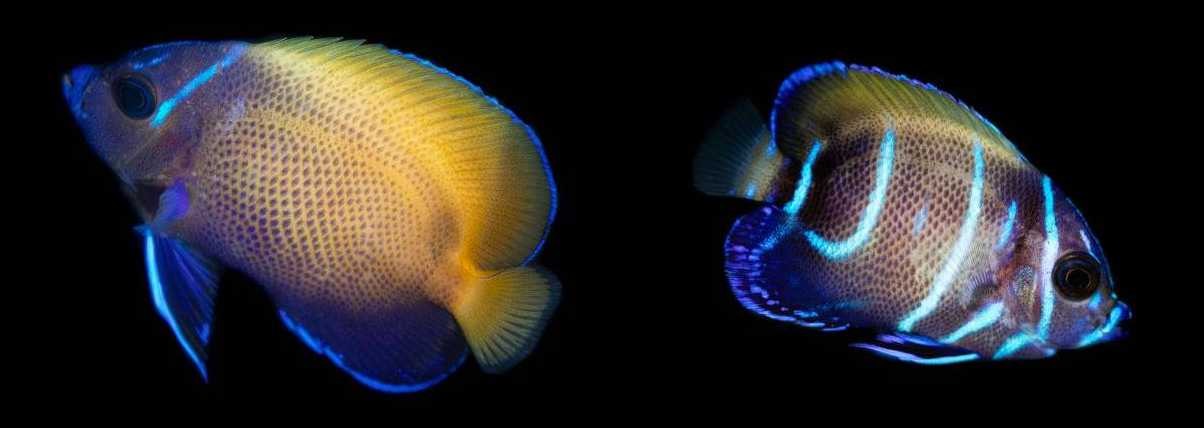
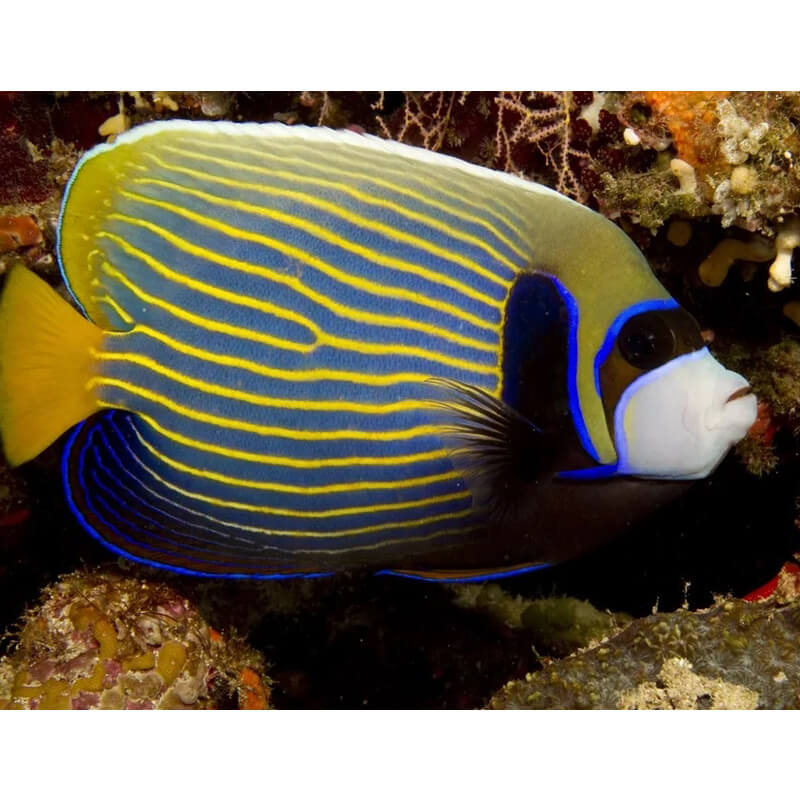
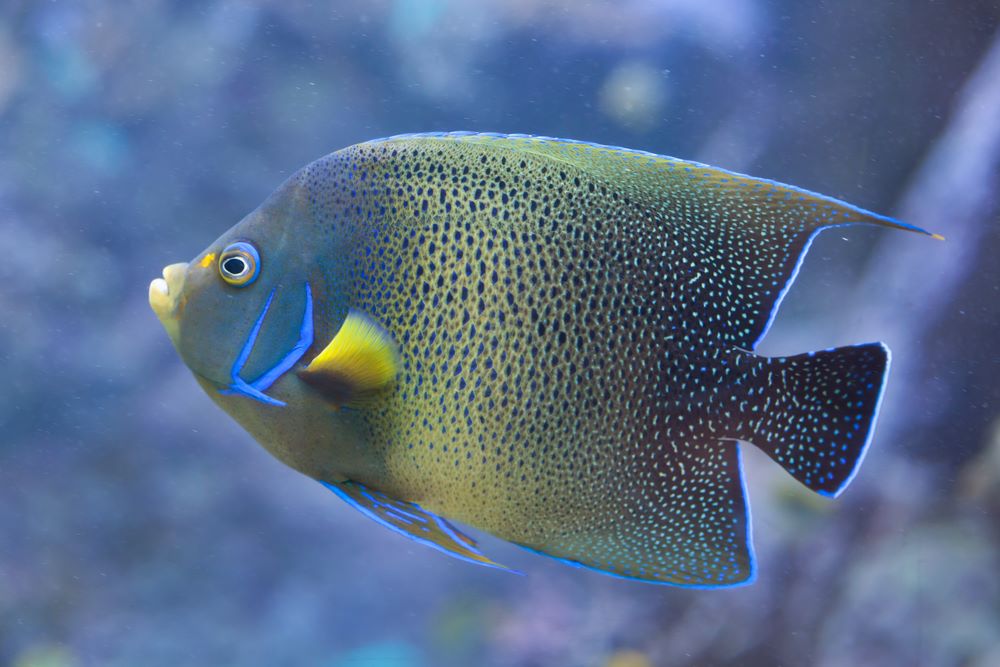
Crescent Asfur Angelfish (Captive Bred) Also known as the Arabian Angelfish or Asfur Angelfish The Crescent Asfur Angelfish is a magnificent and regal species that brings dramatic coloration and commanding presence to marine aquariums. Native to the Red Sea, Gulf of Aden, and Arabian Gulf, this impressive angelfish features a striking deep blue to purple body adorned with a distinctive bright yellow crescent marking across the midsection. Captive-bred specimens offer superior hardiness, established feeding responses, and reduced environmental impact, making them exceptional additions for advanced aquarists seeking a stunning large angelfish with bold personality and captivating beauty. Key Features Scientific Name: Pomacanthus asfur Common Names: Crescent Asfur Angelfish, Arabian Angelfish, Asfur Angelfish, Half-Moon Angelfish Adult Size: 14–16 inches (35–40 cm); commonly 12–14 inches in aquariums Lifespan: 15–20 years with proper care (captive-bred often longer) Temperament: Semi-aggressive; territorial but manageable in appropriate setups Reef Compatibility: Not reef-safe – will nip and consume coral polyps, clams, and sessile invertebrates Minimum Tank Size: 180 gallons minimum (250 gallons strongly recommended for adults) Experience Level: Advanced (Captive-Bred) – requires large system and commitment Habitat & Tank Requirements Natural Habitat: Found on coral reefs, rocky outcrops, and reef slopes at depths of 10–100 feet. Juveniles inhabit shallow reef areas with abundant hiding spots, while adults patrol deeper reef territories where they graze and hunt. Tank Environment: Abundant live rock with caves and swim-throughs Multiple large hiding spots for security Extensive open swimming areas essential Secure, stable rockwork formations Strong water flow with calm grazing zones Bright lighting for natural behavior Tight-fitting lid recommended (can jump when startled) Best suited for fish-only with live rock (FOWLR) systems Water Parameters: Temperature: 72–78°F (22–26°C) Salinity: 1.023–1.025 specific gravity pH: 8.1–8.4 Ammonia/Nitrite: 0 ppm Nitrate: <20 ppm Alkalinity: 8–12 dKH Essential Equipment: Oversized protein skimmer rated for tank volume Powerful mechanical and biological filtration Strong circulation pumps for water movement UV sterilizer recommended Large live rock structure for grazing Regular large water changes (20–25% weekly) Diet & Feeding Crescent Asfur Angelfish are omnivores requiring a varied diet rich in both meaty foods and marine vegetation for optimal health, coloration, and disease resistance. Recommended Foods: Marine Algae: Nori sheets, spirulina, marine algae sheets (essential daily component) Fresh/Frozen Meats: Mysis shrimp, brine shrimp, chopped shrimp, squid, clams (primary protein) Sponge-Based Foods: Angelfish preparations containing natural sponge material (important for health) Prepared Foods: High-quality angelfish pellets and flakes formulated for large angels Fresh Vegetables: Blanched zucchini, broccoli (occasional) Enrichment: Vitamin-soaked foods, garlic-enriched preparations, omega-3 supplements Captive-bred specimens readily accept all prepared foods from day one – major advantage Feeding Schedule: Feed 2–3 times daily for optimal health and color Provide nori or algae sheets secured with clip for continuous grazing throughout day Varied diet absolutely essential to prevent lateral line erosion and nutritional deficiencies Large meals less frequently than smaller, more frequent feedings Natural grazing on live rock algae supplements diet Captive-bred fish have established feeding routines and strong appetites Behavior & Compatibility Temperament: Semi-aggressive and territorial, especially toward other angelfish Generally peaceful toward dissimilar species once established Bold, confident personality with commanding tank presence Highly intelligent and interactive with owner May become hand-tame with consistent interaction Less aggressive than many large angelfish species Captive-bred specimens often show calmer temperaments than wild-caught Tank Mates: Compatible with: Large tangs (8 inches), large wrasses, triggerfish (peaceful species), pufferfish, rabbitfish, foxface, large butterflyfish, groupers (peaceful), lionfish, eels, most large peaceful to semi-aggressive fish Caution with: Other large angelfish (will be territorial), smaller peaceful fish (may be intimidated), very aggressive species Avoid: All other angelfish (especially Pomacanthus species), small fish under 4 inches, timid species, multiple Asfur Angelfish Social Behavior: Best kept as single specimen in most home aquariums Extremely territorial toward other angelfish, particularly same genus May be kept with other large angelfish only in systems 300 gallons with careful introduction Peaceful toward non-competing tankmates once hierarchy established Constantly patrols territory and grazes throughout tank Juveniles show distinct vertical white bars that transform into crescent pattern with maturity Adapts quickly to captive life, especially captive-bred specimens Recognizes owner and often begs for food Reef Compatibility: Not reef-safe; will actively consume coral polyps, zoanthids, soft corals, LPS corals, SPS coral tissue, clam mantles, tube worms, and other sessile invertebrates. This is not occasional nipping—it’s systematic feeding behavior. Ornamental shrimp generally safe. Best suited exclusively for fish-only with live rock (FOWLR) systems where their grazing won’t destroy expensive coral collections. Acclimation & Care Tips Initial Acclimation: Use extended drip acclimation over 90–120 minutes for best results Float bag for temperature equalization (20–30 minutes) Dim lights for 24 hours after introduction to reduce stress Introduce during feeding time to distract established tankmates Provide multiple hiding spots immediately upon introduction Captive-bred specimens typically acclimate significantly faster than wild-caught May hide extensively for first 24–48 hours before emerging Health Considerations: Susceptible to marine ich, velvet, lateral line erosion (HLLE), and bacterial infections when stressed Mandatory quarantine for 4–6 weeks before adding to display tank Captive-bred specimens show superior disease resistance Proper varied diet prevents lateral line erosion and maintains coloration Watch for labored breathing, loss of appetite, color fading, or lesions on head/body Large angelfish are sensitive to poor water quality and copper-based medications Very hardy once established with proper diet and water quality Signs of a Healthy Specimen: Active swimming and constant grazing throughout tank Clear, bright eyes with alert, focused gaze Vibrant deep blue coloration with brilliant yellow crescent marking Smooth, streamlined body with no visible lesions or erosion Strong, aggressive feeding response to all offered foods Normal swimming pattern with confident, bold behavior Intact fins with no tears, erosion, or cloudiness Regular territorial displays and interactive personality Color & Development Coloration Characteristics: Body: Deep royal blue to purple-blue base coloration Crescent Mark: Brilliant yellow to golden-yellow vertical crescent band across midsection Face: Deep blue with yellow highlights around mouth and eyes Fins: Blue body color extending through all fins; tail fin with yellow highlights Juvenile Pattern: Vertical white bars on blue body that gradually transform into adult crescent pattern Transition: Juvenile bars begin disappearing around 3–4 inches, crescent fully develops by 6–8 inches Color Intensity: High-quality varied diet maintains vibrant blue body and brilliant yellow crescent Sponge-based foods and marine algae essential for maintaining intense coloration Captive-bred specimens often show enhanced color intensity compared to wild-caught Stress causes temporary color dulling or fading to grayish-blue Excellent water quality absolutely essential for preserving coloration Poor diet leads to lateral line erosion and permanent color loss Proper lighting enhances natural blue brilliance and yellow contrast Males and females show similar coloration (no sexual dimorphism) Size & Growth: Captive-bred juveniles typically available at 2–4 inches Moderate to fast growth rate: 3–5 inches annually with proper feeding Reach 8–10 inches within 2–3 years in aquariums Growth continues slowly after 10 inches, reaching 12–14 inches over 5–7 years Growth rate depends heavily on diet quality, tank size, and water parameters Larger tanks promote better growth and more natural behavior Juvenile to Adult Transformation Pattern Evolution: Crescent Asfur Angelfish undergo one of the most dramatic color transformations in marine angelfish. Juveniles display 5–6 vertical white bars on a deep blue body, creating a striking zebra-like pattern. As they mature, these bars gradually fade and merge, eventually forming the distinctive yellow crescent marking that gives the species its name. This transformation occurs gradually between 3–8 inches, with the adult pattern fully established by 8–10 inches. Captive-Bred Advantages Breeding Success: Crescent Asfur Angelfish represent a significant achievement in marine aquaculture, as large angelfish are notoriously difficult to breed in captivity. Captive-bred specimens are relatively rare and highly valued. Advantages of Captive-Bred Specimens: Superior hardiness: Pre-adapted to aquarium conditions from birth, no collection/shipping stress Established feeding: Accept all prepared, frozen, and pellet foods immediately Disease resistance: Stronger immune systems, virtually parasite-free Better temperament: Calmer, more confident behavior with reduced aggression Faster acclimation: Adjust to new aquariums within days rather than weeks No acclimation shock: Never experienced wild capture trauma Environmental sustainability: Zero impact on fragile Red Sea reef populations Improved survival rates: 90% vs. 70% for wild-caught specimens Predictable growth: Consistent development with known lineage Why Choose a Captive-Bred Crescent Asfur Angelfish? Captive-bred Crescent Asfur Angelfish offer unparalleled advantages over wild-caught specimens: exceptional disease resistance and hardiness from captive lineage, immediate acceptance of all aquarium foods without training period, dramatically reduced stress and faster acclimation to new environments, calmer temperament with more predictable behavior, elimination of collection pressure on vulnerable Red Sea populations, and significantly improved long-term survival rates approaching 90% in appropriate systems. Our captive-bred specimens undergo extended observation, comprehensive health assessment, and feeding verification across multiple food types to ensure they’re thriving before reaching you. These remarkable angelfish represent years of dedicated aquaculture research and breeding expertise, producing specimens that are healthier, hardier, and more adaptable than their wild counterparts. These magnificent large angelfish combine absolutely breathtaking coloration with bold personality and commanding presence. The deep blue body contrasted against the brilliant yellow crescent creates one of the most striking color patterns in marine angelfish, instantly becoming the centerpiece of any large FOWLR system. Their intelligent, interactive nature means they’ll recognize their owner, beg enthusiastically at feeding time, and patrol their territory with regal confidence. The dramatic transformation from juvenile barred pattern to adult crescent marking provides years of fascinating observation as your angelfish matures. Their constant grazing activity, bold swimming behavior, and curious personality create endless entertainment, while their impressive size and striking appearance command respect and admiration from all who view them. Perfect for advanced aquarists with large FOWLR systems seeking an iconic centerpiece fish that combines spectacular beauty with engaging personality and long lifespan. Captive breeding has made this Red Sea treasure more accessible, sustainable, and successful than ever before. With proper care, your captive-bred Crescent Asfur Angelfish will provide 15–20 years of brilliant color and captivating presence—a true investment in living art that grows more magnificent with each passing year. The crown jewel of large angelfish species, now available through responsible aquaculture.
Large Marine