$16.78
$20.98
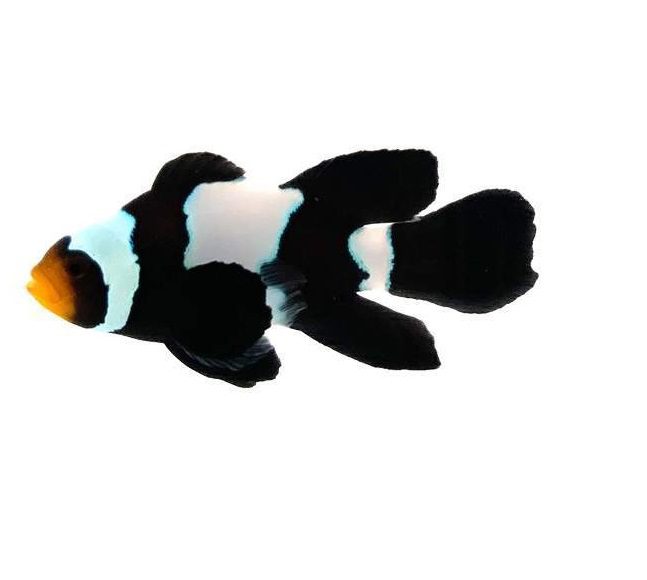
Longfin Phantom Clownfish Also known as the Black Longfin Clownfish or Premium Dark Flowing Fin The Longfin Phantom Clownfish is a striking marine fish combining two of the most dramatic selective breeding traits in captive clownfish. This exceptional variant displays a deep black to dark gray body with minimal orange coloration and dramatically elongated, flowing fins that create an elegant, ethereal appearance. The combination of dark, mysterious coloration with graceful flowing finnage creates one of the most visually distinctive and sought-after clownfish variants available to serious collectors and aquarists seeking maximum visual impact and sophistication. Key Features Scientific Name: Amphiprion ocellaris (Longfin Phantom variant) Common Names: Longfin Phantom Clownfish, Black Longfin Clownfish, Dark Flowing Fin Clownfish Adult Size: 3–4 inches (8–10 cm) body; fins extend significantly beyond body length Lifespan: 10–15 years with proper care Temperament: Semi-aggressive; territorial around host anemone Reef Compatibility: Reef-safe Minimum Tank Size: 30 gallons (50 gallons strongly preferred) Experience Level: Intermediate to Advanced Habitat & Tank Requirements Natural Habitat: Entirely captive-bred, Longfin Phantom Clownfish are selectively bred variants derived from Indo-Pacific clownfish genetics. This specialized dark morphology with flowing fins is purely a product of selective breeding. Tank Environment: Abundant live rock with caves and crevices (avoid sharp edges damaging fins) Host anemone (Bubble Tip preferred) recommended but not required Moderate, gentle water flow (strong flow damages flowing fins) Mature, stable aquarium (3 months established minimum) Open swimming areas with minimal sharp surfaces Secure territory establishment space Water Parameters: Temperature: 74–78°F (23–26°C) (consistency critical) Salinity: 1.023–1.025 specific gravity pH: 8.1–8.4 Ammonia/Nitrite: 0 ppm Nitrate: <20 ppm (lower preferred for fin health) Alkalinity: 8–12 dKH Essential Equipment: Premium protein skimmer High-efficiency biological and mechanical filtration Adjustable water circulation (lower flow to protect fins) Regular water changes (15–20% biweekly minimum) UV sterilizer (recommended for rare variants) Temperature controller (maintains stability) Diet & Feeding Longfin Phantom Clownfish require premium nutrition to maintain health and support flowing fin structure and dark coloration. Recommended Foods: Frozen Foods: Premium mysis shrimp, enriched brine shrimp, finely chopped krill, copepods, quality preparations Pellets/Flakes: High-quality marine pellets, color-enhancing formulas, dark-color-specific foods Plant Matter: Spirulina flakes, nori pieces, marine algae Live Foods: Occasional live brine shrimp (beneficial for conditioning and color enhancement) Prepared Mixes: Premium clownfish formulas, enriched marine cuisine, dark-color-enhancing blends Feeding Schedule: Feed 2–3 times daily in appropriately sized portions Offer variety to maintain optimal health and coloration Include foods rich in carotenoids and astaxanthin Include foods supporting dark pigmentation intensification Supplement with vitamin-enriched foods weekly Ensure adequate protein for fin development Color Enhancement: Astaxanthin supports dark coloration Quality diet prevents color fading Premium nutrition maximizes coloration intensity Live foods particularly effective for color conditioning Consistent feeding schedule optimizes appearance Note: Premium nutrition is critical for maintaining deep black coloration and supporting dramatic flowing fin development. Behavior & Compatibility Temperament: Peaceful but can be territorial around anemone Confident and bold once established Interactive and curious with tank inhabitants More active swimming than some clownfish Graceful movement enhanced by flowing fins Tank Mates: Compatible with: Peaceful tangs, wrasses, gobies, blennies, cardinalfish, peaceful dottybacks, chromis, anthias Caution with: Large aggressive fish, triggers, lionfish, fin-nippers Avoid: Aggressive species that might chase or damage flowing fins Reef Compatibility: Reef-safe: Will not harm corals or invertebrates Compatible with all coral types May interact gently with anemones Excellent reef system addition Dark coloration provides striking contrast Anemone Hosting: Longfin Phantom will host in anemones but thrive without them. Recommended: Bubble Tip Anemone (Entacmaea quadricolor)—preferred Carpet Anemone (Stichodactyla mertensii) Magnificent Sea Anemone (Heteractis magnifica) Acclimation & Care Tips Initial Acclimation: Extended drip acclimation over 2–3 hours (rare variant requires careful handling) Dim tank lights for first 48–72 hours Provide anemone or multiple secure hiding spots Introduce to mature, stable aquarium Handle carefully to avoid fin damage during transport Usually feeds within 12–24 hours Health Considerations: Hardy once acclimated despite delicate fins and genetic rarity Moderately susceptible to parasites (precautions essential) Quarantine for 4–6 weeks before display tank addition (extended for rare variant) Monitor closely during acclimation Maintain pristine water quality Watch for fin damage from transport or tank interactions Fin Care and Protection: Avoid sharp rockwork edges that damage flowing fins Ensure gentle water flow doesn’t shred fin rays Monitor for fin damage during acclimation and swimming Avoid aggressive tankmates that chase or bite fins Gentle handling during water changes essential Clean water quality supports fin regeneration Signs of Healthy Specimen: Active, graceful swimming behavior Deep black to dark gray coloration throughout body Minimal orange coloration visible Bright, alert eyes Eager, consistent feeding response Smooth, intact flowing fins (undamaged rays) No visible parasites, spots, or lesions Interaction with anemone (if present) Confident behavioral display within 2–3 days Dramatic fin extension during swimming Color & Development Adult Coloration: Longfin Phantom display exceptional, dramatic markings: Body: Deep black to dark gray base coloration Orange Accents: Minimal orange markings (significantly reduced from standard) Fins: Elongated, flowing rays extending well beyond body length Pattern: Dark, mysterious, sophisticated appearance Overall: Ethereal, elegant, premium aesthetic with dramatic contrast Fin Development: Dorsal Fin: Elongated rays extending well beyond body length Anal Fin: Extended rays creating flowing appearance Pectoral Fins: Moderately extended for graceful movement Caudal Fin: Extended rays creating dramatic flowing effect Overall: Elegant, lyrical, graceful swimming appearance Juvenile Coloration: Deep dark coloration from early stages Pattern clearly defined in young fish Fin elongation develops progressively with age Full fin development by 2–4 inches Coloration intensifies and stabilizes with maturity Color Expression Factors: Diet quality (astaxanthin and dark-color-supporting foods essential) Water quality (pristine conditions critical for dark coloration) Lighting spectrum (quality lighting enhances dramatic contrast) Stress levels (stress causes color fading) Age and maturity (darkens and intensifies with growth) Anemone presence (may enhance coloration slightly) Fin Development Factors: Genetics (primary determinant of fin length and shape) Water quality (excellent conditions support optimal fin development) Nutrition (high-quality diet supports fin ray growth) Age (fins continue developing throughout life) Tank conditions (adequate space allows full dramatic fin development) Special Considerations Exceptionally Rare Variant: Very limited availability (only specialized breeders) Combines two rare traits (dark coloration longfin morphology) Extreme genetic specificity Premium pricing reflects rarity and breeding difficulty Only suitable for dedicated collectors and advanced aquarists Advanced Collector’s Premium Fish: Designed for serious collectors seeking ultimate rarity Advanced aquarists with expert-level care capabilities Those with systems specifically designed for rare variants Aquarists willing to invest premium prices for exclusivity Pursuing finest breeding achievements in clownfish Delicate Fin Considerations: Flowing fins require specialized care and attention Gentle water flow essential (less than standard clownfish require) Avoid sharp aquascaping that damages fin rays Gentle handling during transport and acclimation Monitor closely for fin damage from tankmates or aggression Water quality must be pristine (supports fin health) Regular water changes maintain fin integrity Visual Impact: Unmatched visual elegance and mystique Dramatic focal point creating striking contrast in reef Ethereal swimming appearance with flowing grace Conversation-starting premium centerpiece Exceptional aesthetic appeal and sophistication Captive-Bred Origin: Exclusively captive-bred (no wild population impact) Environmentally sustainable choice Better adapted to aquarium conditions Higher survival rates than wild-caught Pre-trained to accept prepared foods Longevity and Investment: Lives 10–15 years with proper care Represents exceptional financial investment Premium value requires expert, dedicated care Becomes established aquarium centerpiece Maintains visual impact throughout entire lifespan Quarantine Protocol Why Extended Quarantine is Critical: As one of the rarest, most expensive clownfish variants available, extended quarantine protects your substantial investment while ensuring optimal health and fin integrity. Our Quarantine Process: Observation Period: 4–6 weeks (extended for rare variant) Parasite Prevention: Comprehensive observation and prophylactic treatment Dietary Conditioning: Training to accept varied premium prepared foods Stress Reduction: Optimal low-stress environment for recovery Health Monitoring: Daily detailed observation and documentation Feeding Confirmation: Ensuring robust, consistent feeding response Color Assessment: Documentation of dark coloration and pigmentation Fin Integrity Monitoring: Detailed observation of fin condition and development Acclimation Optimization: Gradual adjustment to standard aquarium parameters Transport Recovery: Extended recovery from shipping stress Fin-Specific Quarantine Considerations: Gentle handling to prevent fin damage Adequate swimming space for fin development Careful attention to water flow (kept moderate) Pristine water quality for fin and color health Documentation of fin condition throughout quarantine Observation of full fin extension patterns during swimming Why Choose a Quarantined Longfin Phantom Clownfish? Purchasing a properly quarantined Longfin Phantom Clownfish ensures you receive one of the finest selective breeding achievements available in the clownfish hobby. This exceptional variant combines the mysterious deep black coloration with graceful flowing fins, a combination of traits available only to the most dedicated collectors from elite breeders. Our comprehensive quarantine protocol protects both the fish’s health and your significant investment. Extended observation verifies disease-free status, documents dark coloration expression and genetic stability, monitors fin integrity and development, and ensures complete acclimation from specialized breeder conditions. As one of the rarest and most visually spectacular clownfish variants available, the Longfin Phantom represents the pinnacle of selective breeding achievement. The combination of deep black coloration, minimal orange markings, and dramatically flowing fins creates an unmatched visual experience, a living work of dark elegance and graceful movement. With proper care, gentle water flow, and compatible tankmates, the Longfin Phantom Clownfish becomes a legendary aquarium resident displaying commanding presence and exceptional ethereal beauty for 10–15 years—a premier centerpiece for experienced, dedicated aquarists. The ethereal beauty, extreme rarity, genetic achievement, delicate fin morphology, mysterious dark coloration, and unparalleled visual elegance justify premium investment and demand selection only from the most reputable providers offering comprehensive quarantine, detailed documentation, expert guidance, and ongoing support.
Clownfish