$22.82
$41.53
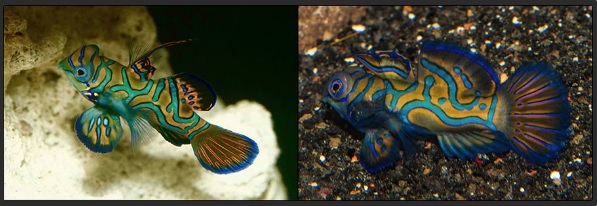
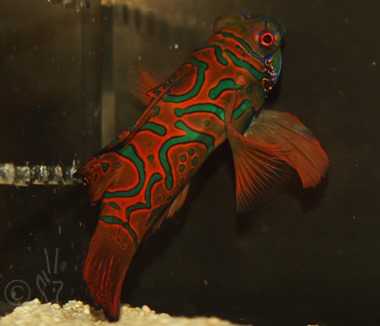
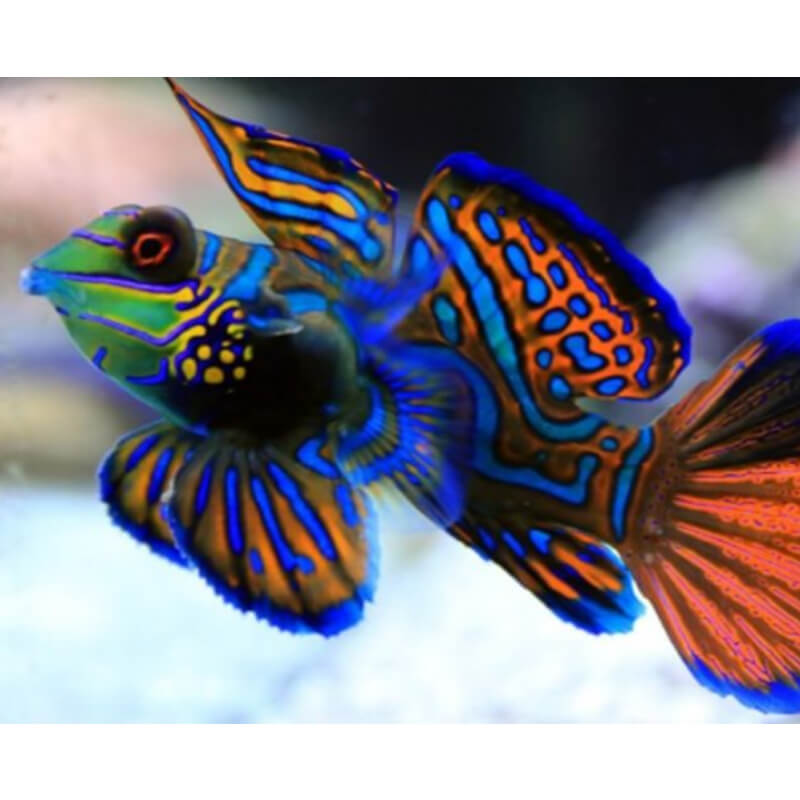
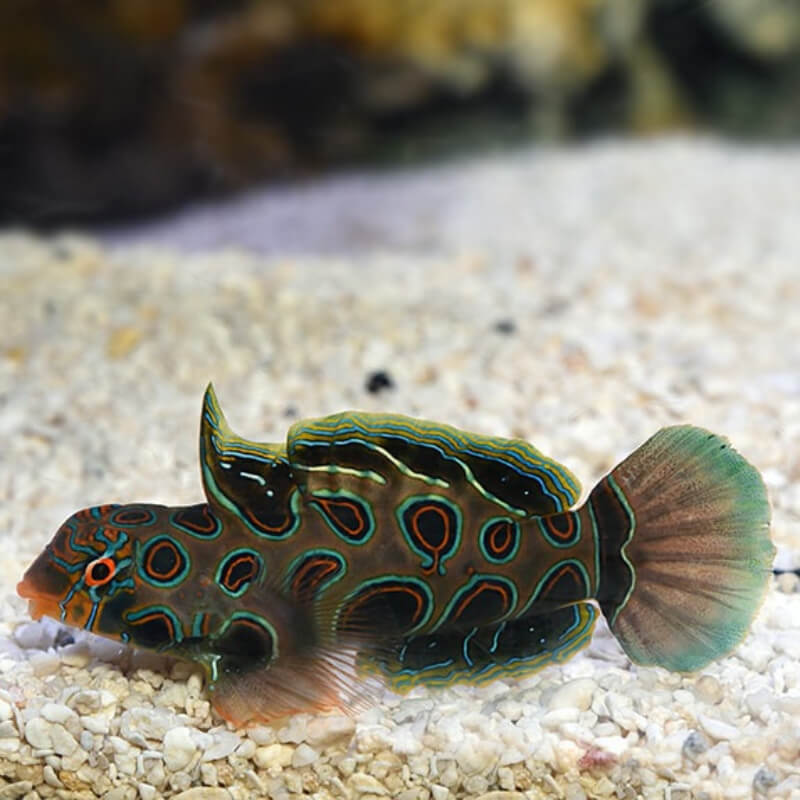
Red Scooter Dragonet Also known as the Ruby Red Dragonet or Ocellated Dragonet The Red Scooter Dragonet is a stunning bottom-dwelling marine fish featuring vibrant red, orange, and white patterns with intricate spotted markings. Native to the Indo-Pacific region, including waters around Indonesia, the Philippines, and Australia, this small, peaceful species exhibits fascinating behavior including “walking” on the substrate using modified pelvic fins and elaborate courtship displays. While not a true dragonet (actually a member of the Callionymidae family, same as Mandarins), they share similar care requirements including specialized feeding needs. Their captivating appearance and entertaining behavior make them highly desirable, but they require mature aquariums with abundant microfauna populations for long-term success. Key Features Scientific Name: Synchiropus stellatus Common Names: Red Scooter Dragonet, Ruby Red Dragonet, Ocellated Dragonet, Starry Dragonet Adult Size: 2.5–3 inches (6–8 cm) Lifespan: 3–5 years with proper care and feeding Temperament: Peaceful; non-aggressive toward all tankmates Reef Compatibility: Completely reef-safe – will not harm corals or invertebrates Minimum Tank Size: 30 gallons minimum (50 gallons strongly recommended for stable microfauna population) Experience Level: Intermediate to Advanced – specialized feeding requirements Habitat & Tank Requirements Natural Habitat: Found on sandy bottoms, rubble zones, and mixed substrate areas adjacent to coral reefs at depths of 10–60 feet. They “perch” on rocks and substrate while hunting for small invertebrates and microfauna. Tank Environment: Mature, established aquarium absolutely essential (6 months minimum, 12 months ideal) Sandy substrate or mixed sand/rubble bottom Live rock with plenty of surface area for microfauna growth Peaceful environment free from aggressive or competitive feeders Low to moderate water flow (avoid strong currents) Copepod and amphipod refugium strongly recommended Multiple perching spots on rocks and substrate Water Parameters: Temperature: 72–78°F (22–26°C) Salinity: 1.023–1.025 specific gravity pH: 8.1–8.4 Ammonia/Nitrite: 0 ppm Nitrate: <10 ppm (lower is better) Alkalinity: 8–12 dKH Essential Equipment: Quality protein skimmer Excellent biological filtration Refugium with copepod culture (highly recommended) Stable water parameters Regular water changes (10–15% weekly) Diet & Feeding CRITICAL FEEDING REQUIREMENTS: Red Scooter Dragonets are specialized microfauna feeders requiring constant access to live foods. This is the most challenging aspect of their care and the primary cause of failure. Primary Diet (Wild Behavior): Live copepods (primary natural food) Live amphipods Small benthic invertebrates Microfauna living in substrate and on live rock Feed continuously throughout the day by “hunting” and picking Aquarium Feeding Strategy: Established microfauna population essential before adding fish Supplement with live foods: live baby brine shrimp, live copepods (add weekly) Some specimens can be trained to accept frozen foods: Frozen copepods Frozen baby brine shrimp Frozen cyclops Finely minced frozen mysis (rare) Training to frozen foods: Not all specimens will accept frozen foods Training success varies greatly by individual Never assume they will transition; prepare for continuous live food requirements Target feed directly near fish using turkey baster or pipette Feeding Schedule: Continuous grazing behavior throughout daylight hours Supplement with live/frozen foods 2–3 times daily Add live copepods to tank weekly (100–500 depending on tank size) Monitor body condition closely; should appear rounded, not pinched Behavior & Compatibility Temperament: Extremely peaceful and timid Non-aggressive toward all tankmates Slow, deliberate movements May be intimidated by active or aggressive fish Spends time “walking” on substrate and perching on rocks Fascinating to observe hunting behavior Tank Mates: Compatible with: Peaceful fish including clownfish, gobies, small peaceful wrasses, cardinalfish, firefish, Royal Grammas, basslets, anthias, peaceful tangs Caution with: Other dragonets/scooters (competition for food), aggressive feeders, very active fish that may intimidate Avoid: Aggressive dottybacks, damselfish, large wrasses, aggressive triggers, any predatory fish, competitive microfauna feeders (multiple Mandarins) Social Behavior: Best kept singly unless tank is very large (75 gallons) with abundant food Males highly territorial toward other male dragonets/scooters Males and females can coexist if food supply adequate Will starve if forced to compete with multiple dragonets for limited microfauna Peaceful with all non-competing species Reef Compatibility: Completely reef-safe with all corals Will not harm any invertebrates Safe with all shrimp, crabs, snails, and cleanup crew May perch on coral branches but causes no damage Ideal for peaceful reef aquariums Acclimation & Care Tips Initial Acclimation: Extended drip acclimation over 60–90 minutes Float bag for temperature equalization (20–30 minutes) Dim lights during introduction Ensure adequate microfauna population before adding fish May hide initially but will begin hunting within hours Health Considerations: Starvation is the primary cause of death in aquariums Difficult to medicate due to lack of scales Susceptible to marine ich and velvet when stressed Copper-based medications can be harmful; use with extreme caution Quarantine challenging due to feeding requirements Monitor body condition constantly; should never appear thin or sunken Signs of a Healthy Specimen: Rounded, full body (not pinched or sunken behind head) Active hunting and “walking” behavior Clear, bright eyes Vibrant red, orange, and white coloration Smooth skin with no lesions or spots Continuous grazing throughout day Alert and responsive to surroundings Signs of Starvation (CRITICAL): Sunken belly or pinched appearance behind head Listless behavior, resting frequently Faded coloration Hiding constantly Not actively hunting If observed, immediate intervention required Color & Development Coloration Characteristics: Body: Brilliant red to orange-red base color Markings: White to cream spots and reticulated patterns throughout Fins: Large, ornate dorsal fin with red, white, and orange patterns Face: Intricate spotted pattern with large, expressive eyes Sexual Dimorphism: Males have larger, more elaborate dorsal fins Color Intensity: Healthy diet maintains vibrant red-orange coloration Stress or poor nutrition causes significant fading Proper lighting enhances natural brilliance Males display most intense coloration during courtship Male vs Female: Males: Larger dorsal fin (first spine significantly elongated), more vibrant colors Females: Smaller, less elaborate dorsal fin, slightly duller colors Size similar between sexes Size & Growth: Typically available at 1.5–2.5 inches Reach adult size within 8–12 months Relatively slow growth rate Small, manageable size throughout life Walking Behavior & Movement Unique “Walking” Motion: Uses modified pelvic fins to “walk” along substrate and rocks Rarely swims in water column (brief swimming bursts only) Hops from rock to rock searching for food Perches motionless while observing surroundings Absolutely captivating to watch hunting behavior Hunting Behavior: Approaches substrate slowly and deliberately Pecks at sand and rock surfaces for microfauna Spends entire day actively hunting and grazing May blow sand away to expose hidden copepods Extremely methodical and patient hunters Special Considerations Microfauna Population Management: Most critical aspect of successful keeping Tank must support continuous copepod/amphipod reproduction Add live copepods weekly or bi-weekly to supplement natural population Refugium with macro algae provides breeding ground for pods Monitor pod population; if declining, add more before dragonet starves Multiple dragonets can deplete pod populations rapidly Training to Frozen Foods: Success rate varies; some individuals never accept frozen Begin training immediately if possible Use frozen copepods (most likely to accept) Target feed directly to fish using pipette Mix live and frozen initially Never assume training will succeed; maintain live food availability Quarantine Challenges: Difficult to quarantine due to feeding requirements Quarantine tank needs established microfauna population May starve during traditional 4–6 week quarantine Consider shorter quarantine (2–3 weeks) with careful observation Some aquarists skip quarantine (controversial) due to feeding challenges Not Beginner Fish: Despite peaceful nature and small size, Red Scooter Dragonets are not suitable for beginners due to: Specialized feeding requirements Need for mature, established aquariums Ongoing live food supplementation costs Difficulty determining if fish is eating adequately High failure rate without proper preparation Long-term Commitment: Weekly live copepod additions ($10–30 per batch) Constant monitoring of body condition Refugium maintenance for pod production Cannot be kept in new or immature systems Breeding Potential Spawning Behavior: Males perform elaborate courtship displays Rising spawning behavior similar to Mandarin Dragonets Pairs rise together releasing eggs and sperm in water column Spawning typically occurs at dusk Eggs are planktonic and extremely difficult to raise Observing courtship behavior is rewarding Why Choose a Red Scooter Dragonet? Red Scooter Dragonets offer stunning coloration, fascinating “walking” behavior, and peaceful temperament, making them captivating additions to mature reef aquariums. However, their specialized feeding requirements mean they are only suitable for aquarists with: Established aquariums (6–12 months old) Thriving microfauna populations Willingness to supplement live copepods regularly Refugium or copepod culture setup Experience maintaining stable reef systems When these requirements are met, Red Scooter Dragonets become rewarding, long-lived additions that provide endless entertainment through their unique walking behavior and constant hunting activities. Their peaceful nature, complete reef-safety, and small size make them ideal for peaceful community reef tanks, provided their critical feeding needs are consistently met. Success with this species requires preparation, commitment, and realistic expectations about their specialized care requirements.
Dragonets