$32.55
$58.92
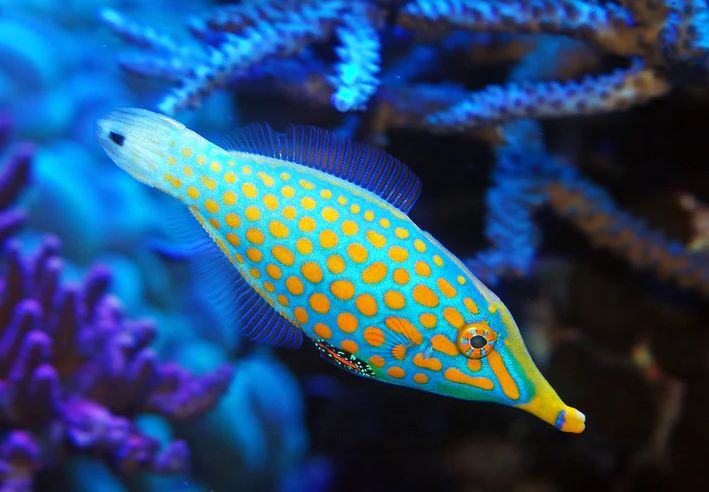
Matted Filefish (Aiptasia Eating) Captive Bred Also known as the Aiptasia-Eating Filefish or Bristletail Filefish The Matted Filefish is a uniquely valuable marine fish celebrated for its natural appetite for Aiptasia anemones, one of the most troublesome pests in reef aquariums. Native to the Western Atlantic, Caribbean, and Gulf of Mexico, this small, peaceful filefish has become increasingly popular as a biological control method for Aiptasia infestations. Captive-bred specimens offer superior hardiness, guaranteed Aiptasia consumption (when properly conditioned), and immediate acceptance of prepared foods compared to wild-caught individuals. Their modest size, peaceful temperament, and fascinating behavior make them excellent additions to reef aquariums—with the bonus of natural pest control. Key Features Scientific Name: Acreichthys tomentosus Common Names: Matted Filefish, Aiptasia-Eating Filefish, Bristletail Filefish Adult Size: 3–4 inches (8–10 cm) Lifespan: 3–5 years with proper care Temperament: Peaceful; may be shy initially Reef Compatibility: Generally reef-safe; may nip some coral polyps (species-dependent) Minimum Tank Size: 30 gallons (40 gallons recommended) Experience Level: Beginner to Intermediate – hardy, especially captive-bred Habitat & Tank Requirements Natural Habitat: Found among coral reefs, seagrass beds, and rocky areas at depths of 6–60 feet. They use camouflage and remain motionless to blend with surroundings, often orienting vertically among coral branches or seagrass. Tank Environment: Live rock with Aiptasia anemones (if being used for pest control) Peaceful environment with hiding spots Moderate water flow Standard reef lighting acceptable Established aquarium preferred (2 months) Water Parameters: Temperature: 72–78°F (22–26°C) Salinity: 1.023–1.025 specific gravity pH: 8.1–8.4 Ammonia/Nitrite: 0 ppm Nitrate: <20 ppm Essential Equipment: Quality protein skimmer Adequate filtration Standard reef equipment Regular water changes (10–15% weekly) Diet & Feeding Recommended Foods: Frozen Foods: Mysis shrimp, brine shrimp, finely chopped seafood (primary diet) Pellets/Flakes: High-quality omnivore pellets (supplementary) Fresh Foods: Finely chopped clams, squid, shrimp Natural Foods: Aiptasia anemones (when available) Plant Matter: Nori sheets, spirulina (occasional) Feeding Schedule: Feed 1–2 times daily Small portions consumed in 2–3 minutes Must supplement diet even when Aiptasia present Transition to prepared foods after Aiptasia elimination Captive-bred specimens readily accept all foods Aiptasia Consumption: Captive-bred specimens conditioned to eat Aiptasia consistently Will actively hunt and consume Aiptasia anemones Consumption rate varies (may eat 1–5 daily depending on size) Effectiveness depends on Aiptasia density and fish size Not a guaranteed complete solution – may not eliminate all Aiptasia Behavior & Compatibility Temperament: Very peaceful and non-aggressive May be shy or timid initially Becomes bolder once established Fascinating camouflage and hovering behavior Often hovers vertically among coral or rockwork Tank Mates: Compatible with: Clownfish, gobies, dartfish, firefish, blennies, cardinalfish, wrasses, tangs, angelfish, basslets, most peaceful community fish Caution with: Aggressive dottybacks, aggressive damselfish, very aggressive feeders Avoid: Large predatory fish (groupers, lionfish, large triggers), aggressive triggers, puffers Social Behavior: Can be kept singly or in pairs/small groups Peaceful toward conspecifics and other tankmates Non-territorial May school with other filefish in larger tanks Safe in peaceful community reef aquariums Reef Compatibility: Generally reef-safe with most corals May nip: Some soft coral polyps, zoanthids (species and individual dependent) Safe with: Most SPS, LPS, and soft corals; most invertebrates Target species: Aiptasia anemones (desired behavior) Monitor initially with high-value soft corals Acclimation & Care Tips Initial Acclimation: Drip acclimation over 45–60 minutes Float bag for temperature equalization (15–20 minutes) Dim lights during introduction May hide initially but emerges within 24–48 hours Captive-bred specimens acclimate more easily than wild-caught Health Considerations: Generally hardy, especially captive-bred specimens Can be susceptible to marine ich and velvet when stressed Quarantine 3–4 weeks recommended Watch for rapid breathing, hiding excessively, or loss of appetite May starve if unable to compete for food with aggressive feeders Signs of a Healthy Specimen: Active during feeding time Clear, bright eyes Smooth skin with natural mottled coloration Eager feeding response Curious, alert behavior Natural hovering or vertical positioning Color & Development Coloration Characteristics: Body: Mottled tan, brown, gray, and white camouflage pattern Pattern: Irregular spots and blotches providing excellent camouflage Adaptability: Can slightly change coloration to match surroundings Fins: Transparent to lightly colored with slight mottling Tail: Distinctive bristle-like filaments at base of tail (bristletail) Color Intensity: Coloration varies based on surroundings and stress level Healthy diet maintains natural pattern clarity Stress may cause temporary paling or darkening Camouflage pattern unique to each individual Size & Growth: Captive-bred specimens typically available at 1.5 inches Reach adult size (3–4 inches) within 8–12 months Relatively slow, steady growth rate Small, manageable size throughout life Captive-Bred Advantages Superior Hardiness: Already adapted to aquarium life and conditions More resistant to stress and disease Better survival rates than wild-caught specimens Guaranteed Aiptasia Eating: Conditioned from young age to consume Aiptasia Consistent feeding behavior on Aiptasia Wild-caught specimens may ignore Aiptasia Immediate Food Acceptance: Accept all frozen and prepared foods from day one No lengthy training period required Easier transition after Aiptasia elimination Sustainability: Zero impact on wild populations Supports responsible aquaculture Healthier, less stressed specimens Why Choose Captive-Bred Matted Filefish? Captive-bred Matted Filefish offer an elegant, natural solution to Aiptasia problems while providing a fascinating, peaceful addition to reef aquariums. Their superior hardiness, guaranteed Aiptasia consumption, immediate acceptance of all foods, and peaceful temperament make them significantly better choices than wild-caught specimens. Beyond pest control, these small filefish display captivating behavior including vertical hovering, remarkable camouflage, and curious personalities. Their modest size (3–4 inches), peaceful disposition, and general reef-safety make them suitable for a wide range of community reef aquariums. The combination of practical pest control and interesting behavior in a hardy, captive-bred package makes Matted Filefish excellent dual-purpose additions. They address Aiptasia infestations naturally while becoming personable, entertaining residents once their pest control mission succeeds. For aquarists dealing with Aiptasia or simply seeking a unique, peaceful filefish species, captive-bred Matted Filefish represent an outstanding choice with realistic expectations and proper ongoing care.
Filefish